
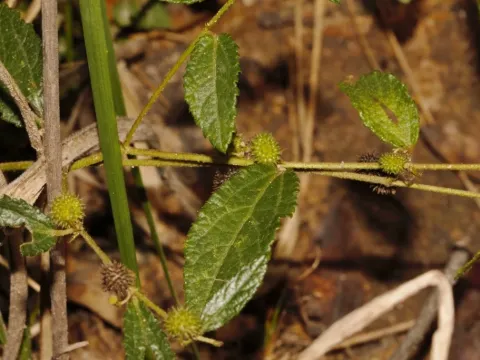
Triumfetta angolensis
Triumfetta angolensis
Triumfetta angolensis is a perennial herbaceous plant belonging to the Malvaceae family. Native to the tropical regions of Africa, specifically Angola, this plant is recognized for its adaptability to savannah-like environments and well-drained tropical soils.
What the section contains
Triumfetta angolensis
The crop requires fertile, deep soils with neutral pH levels to thrive. While it exhibits some tolerance to varying moisture levels, high productivity in fiber yield is best achieved in climates with consistent temperatures ranging between 22°C and 30°C throughout the growing season.
Optimal site selection involves choosing areas with full sun exposure, as light is a limiting factor for the development of the primary stem fibers. The soil should be adequately prepared with mechanical tilling to ensure deep root penetration and prevent compaction.
Good agricultural practices for this species include careful spacing to maximize biomass production per hectare. Weed management is particularly critical during the first few weeks of development, as the crop is vulnerable to competition from faster-growing invasive grasses.
The primary economic value of Triumfetta angolensis lies in its bast fibers, which are extracted from the bark of the stalks. These fibers are traditionally used in manufacturing durable ropes, twine, and textile reinforcement materials, serving as a sustainable alternative to synthetic fibers.
Common threats to this crop include lepidopteran larvae and various leaf-eating beetles that can significantly reduce photosynthetic surface area. Furthermore, fungal pathogens may emerge under conditions of extreme humidity, necessitating a rigorous crop rotation schedule to maintain soil health.