
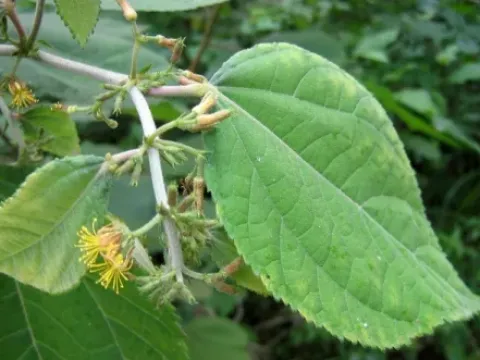
Triumfetta abutiloides
Triumfetta abutiloides
Triumfetta abutiloides belongs to the Malvaceae family, a diverse group of plants known for their industrial fibers and ornamental value. This species is a shrubby plant characterized by its strong, fibrous stems, which are a focus for agricultural production in its native range.
What the section contains
Triumfetta abutiloides
Originating from the tropical regions of the Americas, this species thrives in warm, humid climates. It requires consistent solar radiation for optimal development and performs best in environments where temperatures remain stable throughout the entire growing season without risk of frost.
Soil requirements for Triumfetta abutiloides include well-draining, nutrient-rich substrates. The plant is highly sensitive to waterlogged conditions, which can impede root development and affect the quality of the fibers harvested from the stem cortex.
Agronomic practices focus on providing adequate water supply during the germination and early growth phases, followed by maintenance that prevents moisture stress. It is crucial to monitor soil pH levels to ensure they stay within the neutral to slightly acidic range.
The primary economic use of this plant is the extraction of bast fiber. This fiber is utilized in various industrial applications, including the manufacture of cordage, burlap-type fabrics, and other reinforced composite materials where natural plant fibers are preferred.
The crop is susceptible to a range of fungal infections if humidity levels are not controlled. Root rot is the most common issue in poorly drained fields, often exacerbated by dense planting patterns that restrict airflow between the stalks.
Insect pests such as aphids and spider mites are frequent threats to the leaf canopy. These pests can significantly weaken the plant by draining sap, leading to stunted growth and reduced fiber yield if left unmanaged during the peak of the season.
Invasive weed species can compete for nutrients, light, and water, potentially delaying the growth rate of the main crop. Implementing efficient weed management strategies is essential during the early stages of plant development to ensure a uniform field.
To reduce disease pressure, farmers are encouraged to utilize crop rotation and ensure that the previous season's residue is effectively cleared. This prevents the carryover of soil-borne pathogens that target species within the Malvaceae family.
Biological control agents can be effective in maintaining pest populations below economic damage thresholds. Integrated pest management (IPM) strategies, including the use of predator insects, provide a sustainable alternative to heavy chemical reliance.