
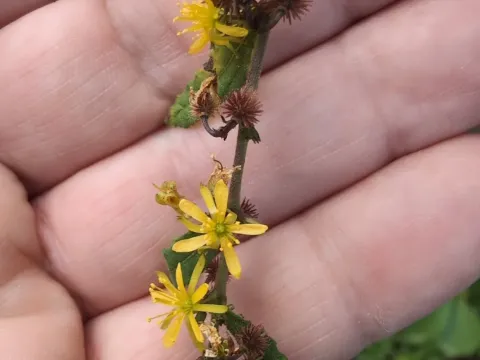
Triumfetta
Triumfetta
Triumfetta, being a tropical plant, requires precise timing for sowing, typically aligned with the onset of the rainy season. Successful germination depends heavily on the soil reaching an optimal temperature to support initial growth.
What the section contains

Triumfetta
Seeds should be sown at a shallow depth of 1–2 centimeters, ensuring they are covered but can emerge quickly. Proper seed spacing is crucial to prevent competition and to allow for mechanized maintenance later in the season.
In industrial cultivation, precision seeders are used to ensure uniform density across the field. This uniformity simplifies the harvesting process and ensures that all plants reach maturity at the same time.
In regions with distinct monsoon seasons, sowing is best performed immediately after the first significant rains. This provides the necessary moisture for seeds to establish their root systems before the onset of drier conditions.
Early sowing in cold, damp soil should be avoided, as it often leads to fungal infections of the seeds and poor plant emergence. A patient approach to waiting for stable temperatures pays off in better yields.
Triumfetta is a member of the Malvaceae family, widely recognized for its high-quality bast fiber. It thrives in tropical climates where temperatures remain consistently warm throughout the growing season.
The plant requires fertile, well-draining soils to reach its full height and fiber potential. Heavy clay soils that retain excess moisture can lead to root rot and should be avoided or heavily amended with organic matter.
Sunlight is a major driver of biomass accumulation for Triumfetta. It is a light-demanding crop, and fields should be situated in open areas to avoid the shading that results in thin, weak stems and lower fiber yield.
While the plant shows some tolerance to temporary dry spells, consistent soil moisture is necessary for optimal quality. An annual rainfall of 800–1000 mm is generally considered ideal for profitable production.
Regular agronomic maintenance, including weed control and soil aeration, is essential. Keeping the field free of invasive weeds during the first weeks is critical, as Triumfetta can be slow to establish initially.
The yield of Triumfetta is significantly influenced by management practices and environmental suitability. When cultivated under optimal conditions, it serves as a highly productive source of natural fiber.
Average dry fiber yields can range from 1 to 1.5 tonnes per hectare depending on the variety and local climate. Advanced agricultural practices are helping to push these limits further through selective breeding.
Nitrogen fertilization at the peak of the vegetative growth phase is effective for increasing stem height. However, care must be taken to balance this with other nutrients to ensure the fiber maintains its structural integrity.
Rotational farming plays a vital role in yield stability. Planting Triumfetta after cereals or other non-Malvaceae crops helps mitigate the buildup of specific soil-borne pests and diseases.
Modern precision agriculture, including soil mapping and localized nutrient application, allows growers to optimize their output. This systematic approach can lead to a significant percentage increase in total fiber volume harvested.
Pests such as aphids and leaf-eating caterpillars are the most common biological threats to Triumfetta. Constant monitoring of the field is necessary to implement control measures before significant damage occurs.
Root rots are frequently reported in areas with poor drainage or during prolonged periods of waterlogging. Ensuring the field has natural or installed drainage systems is a primary preventative measure.
Weeds are more than just competitors for nutrients; they often serve as hosts for viruses that can devastate fiber crops. Keeping fields clean is a major component of the integrated pest management strategy.
Biological control methods are increasingly preferred over chemical insecticides to preserve the local ecosystem. Using natural predators of common pests helps keep populations below the economic threshold.
Standardized crop hygiene practices, including cleaning equipment between fields and removing infected plant debris, remain the most effective way to prevent the spread of diseases.
Harvesting Triumfetta requires careful timing; the plants are typically cut when they begin to flower. Harvesting too late results in lignified, coarse fiber that is difficult to process into high-quality textiles.
Mechanical mowers are commonly used to cut the stems as close to the ground as possible. Efficient cutting ensures that the maximum length of the fiber is preserved for later industrial use.
The extracted stems must undergo a retting process to separate the fiber from the woody core. This involves soaking the stems in water, which allows for the natural decomposition of pectins and binders.
Following retting, the fiber is washed, dried under the sun, and baled for transport. Proper drying is critical, as residual moisture can cause the fiber to degrade or mildew during storage.
Storage of the processed fiber should occur in dry, well-ventilated facilities. Keeping the product protected from humidity is essential to maintain its strength and overall market value for the textile industry.