
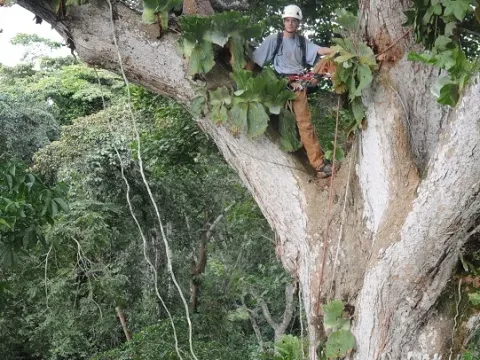
Triplochiton
Triplochiton
Triplochiton is primarily propagated through seeds, but a significant agronomic challenge is that the seeds possess very short-lived viability.
What the section contains

Triplochiton
In forestry practice, seeds must be sown immediately after collection during the onset of the rainy season to ensure optimal germination rates.
Vegetative propagation using cuttings is a common technique in industrial nurseries to clone desirable traits and overcome the irregularity of seed production.
Nursery substrates must be loose and well-draining, as the seedlings are highly sensitive to soil compaction and waterlogging during their early developmental phase.
Seedlings are typically outplanted into forest sites when they reach a height of approximately 30 to 40 centimeters to ensure better survival rates.
Triplochiton belongs to the Malvaceae family and is a massive tropical tree native to the rainforest zones of West and Central Africa.
The species thrives in areas with high annual rainfall and consistent, warm temperatures, requiring a humid environment for vigorous growth.
Deep, fertile, and well-drained soils are essential for establishing healthy plantations, as the tree requires substantial nutrient intake to support its rapid growth.
As a light-demanding species, it naturally colonizes forest gaps where canopy cover is broken, allowing direct sunlight to reach the forest floor.
Plantation management requires shielding young trees from high winds, which can cause breakage in the fast-growing, tender stems of juvenile specimens.
The primary economic value of Triplochiton lies in its timber, commercially marketed as Obeche or African Whitewood, known for its exceptional lightness.
Its timber is highly valued for its low thermal conductivity, making it the preferred material for sauna benches and interior woodworking projects.
The tree exhibits rapid growth rates in its juvenile stage, enabling it to reach harvestable timber size within a plantation rotation of 40 to 60 years.
Yield efficiency is contingent upon thinning operations, which manage competition among trees to promote the development of straight, high-quality boles.
Sustainable harvest strategies are crucial to maintain the productivity of the land and ensure long-term availability of this versatile timber resource.
Young Triplochiton plantations are susceptible to various fungal pathogens that thrive in the humid environments where these trees are cultivated.
Wood-boring insects represent a major threat to mature trees, as they drill into the stem and significantly degrade the quality of the commercial lumber.
Defoliating insects can cause significant damage to young saplings, inhibiting their photosynthetic capacity and potentially leading to stunted growth.
Poor plantation hygiene and overcrowding can facilitate the rapid spread of diseases, particularly root rots, which are difficult to contain once established.
Regular monitoring of canopy health and prompt removal of infected materials are essential measures for effective integrated pest management.
Harvesting Triplochiton involves professional logging techniques due to the tree's impressive stature and the dense nature of tropical forest terrain.
Timing the harvest is critical to ensure the timber has the appropriate moisture content, which facilitates efficient processing and drying at the mill.
Immediate primary processing of the harvested logs is necessary to prevent degradation from wood-staining fungi that can strike within days of felling.
Advanced timber harvesting machinery is utilized to minimize waste during the bucking process, maximizing the recovery of high-grade wood products.
Following harvest, forest management plans must include replanting strategies to replenish the stock and ensure the sustainability of the timber supply.