
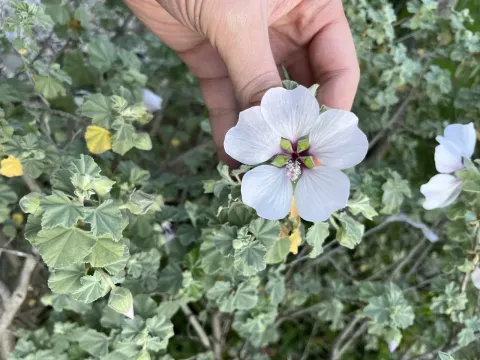
Tree Lavatera
Malva subovata
Sowing of Tree Lavatera (Malva subovata) is typically carried out in spring once the danger of frost has passed and soil temperatures reach at least 10–12 degrees Celsius. Greenhouse sowing in March is recommended for gardeners aiming for an earlier bloom cycle.
What the section contains
Tree Lavatera
Seeds should be sown at a depth of 1–2 centimeters, as shallow planting ensures consistent germination. When sowing directly outdoors, a spacing of 30–40 centimeters between plants is essential to promote good air circulation and plant health.
As a member of the Malvaceae family, this plant shows vigorous growth in the early vegetative stage. It requires adequate light exposure from the start to prevent etiolation and to establish a robust, healthy root system.
Pre-soaking seeds in warm water for a few hours before planting can significantly improve germination rates. Seedlings generally emerge within 10 to 14 days, provided the soil moisture is kept stable and the location is adequately warm.
In milder climates, autumn sowing is possible, allowing the plants to undergo a natural cooling period and begin rapid development as soon as spring temperatures rise.
Tree Lavatera thrives in light, well-drained, and moderately fertile soils. It is critical to avoid waterlogged conditions, as poor drainage is the primary cause of root rot and overall plant failure in this species.
The plant is highly heliophilic, meaning it requires full sun to reach its full decorative potential. In shaded environments, the stems become weak and leggy, and the production of flowers decreases significantly.
Though naturally drought-tolerant due to its Mediterranean origin, the plant performs best with regular irrigation during prolonged dry spells. Supplemental water helps maintain the turgor of the leaves and the quality of the blossoms.
Balanced fertilization is key to growth; a fertilizer rich in phosphorus and potassium is recommended during the bud formation phase to enhance color intensity and extend the flowering period throughout the season.
Protection from strong winds is highly advisable, as the long stems can be brittle. Planting in a sheltered position or using stakes ensures the plants remain upright and aesthetic throughout the growth period.
Rust is the most frequent fungal disease, manifesting as small brownish spots on the undersides of the leaves. Preventing overcrowding and ensuring the planting site has good airflow are the best strategies to minimize its impact.
Powdery mildew can occur if there is high humidity combined with poor ventilation. If infection is observed, the application of targeted fungicides is necessary to prevent the spread of the fungal coating over the foliage.
Aphids are common pests that feed on the sap of young shoots and buds. Regular monitoring and the application of systemic insecticides are effective methods to keep these infestations under control before they cause significant damage.
In periods of intense heat and low rainfall, spider mites may become a threat. Increased humidity around the plants or the use of acaricides are effective measures for maintaining plant health under these conditions.
Pathogenic soil fungi can cause root rot if the moisture levels in the root zone are not managed correctly. Using a soil mix with excellent drainage is the most effective preventative measure against these soil-borne pathogens.