
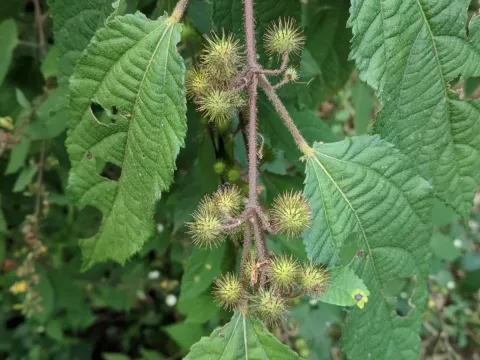
Triumfetta bogotensis
Triumfetta bogotensis
Triumfetta bogotensis is a species belonging to the Malvaceae family, known for its fibrous properties and potential utility in various agricultural applications. It is a perennial herbaceous plant often found in high-altitude environments.
What the section contains
Triumfetta bogotensis
The plant originates from the Andean regions of South America. It thrives in climates that are moderate and consistent, preferring areas that mimic its natural mountainous habitat in terms of temperature and light exposure.
For optimal growth, Triumfetta bogotensis requires well-drained, fertile soil. It is particularly sensitive to waterlogging, which necessitates careful site selection and management of irrigation systems.
Botanically, it is characterized by strong stems containing high-quality bast fibers, which are the primary focus for its agricultural cultivation. The leaves are typically serrated and possess a textured surface, aiding in environmental adaptation.
Its primary use is in the textile sector, where the fibers are extracted and processed for durable cordage or specialized fabrics. Ongoing research also explores its potential in sustainable industrial materials.
Fungal infections of the root system are the most significant threat to the crop, particularly in fields with poor soil drainage or excessive moisture levels.
Pests such as aphids and specific mite species may infest the leaves during dry spells, which necessitates an integrated pest management approach to protect plant vigor.
Maintaining proper planting density is critical to reduce the risk of humidity-related diseases, as adequate air circulation prevents the accumulation of pathogens.
Weed control is essential, especially during the seedling stage, to ensure that the plant has access to necessary nutrients without resource competition.
Farmers are advised to monitor the foliage for early signs of mildew or blight, applying sustainable control measures to ensure the quality of the harvested fiber.