
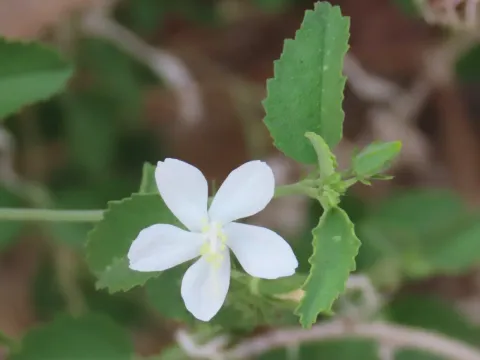
Tiny-flowered hibiscus
Hibiscus micranthus
The tiny-flowered hibiscus (Hibiscus micranthus) is a shrub species belonging to the Malvaceae family. It is recognized for its ability to thrive in harsh, arid environments where other typical hibiscus species might struggle to survive.
What the section contains
Tiny-flowered hibiscus
The native habitat of this plant includes the tropical regions of Africa and parts of India. It is commonly found in dry scrublands and rocky terrain, which has shaped its morphological adaptations, such as small, leathery leaves and a robust root system.
Cultivation requires full sun exposure and warm climatic conditions. It performs best in well-draining, sandy-loam soils. Avoid heavy clay soils that retain water, as the plant is highly susceptible to root decay if drainage is not managed correctly.
The plant is drought-resistant, requiring only minimal watering once established. Over-irrigation is the most common cause of failure in agricultural settings, as the plant is adapted to intermittent rainfall patterns characteristic of savanna ecosystems.
In terms of utility, this species is noted for its medicinal properties and traditional uses. The fibers of the stem have historically been used for cordage, while extracts from the plant continue to be studied for potential pharmaceutical applications.
Pathogenic threats are primarily associated with high humidity and poor ventilation. Fungal infections, particularly powdery mildew, can proliferate quickly if the plant is kept in overly damp conditions without adequate airflow.
Pest management is focused on common greenhouse and garden pests like aphids and whiteflies. These insects tend to feed on the sap of the hibiscus, potentially introducing viral pathogens or simply weakening the plant's structural integrity.
Root rot is the most significant threat to the plant's lifespan. To mitigate this risk, farmers must ensure that the planting site has sufficient slope or gravel drainage, especially during the rainy season or in intensive irrigation schemes.
Cultural control methods involve pruning to remove dead or diseased branches, which improves canopy aeration. This simple practice is often sufficient to prevent the spread of minor fungal colonies without the need for chemical intervention.
Integrated pest management protocols should be followed if pests reach damaging thresholds. Using targeted biological control agents is preferred to maintain the health of the soil microbiome, which is essential for the long-term vigor of Hibiscus micranthus.