
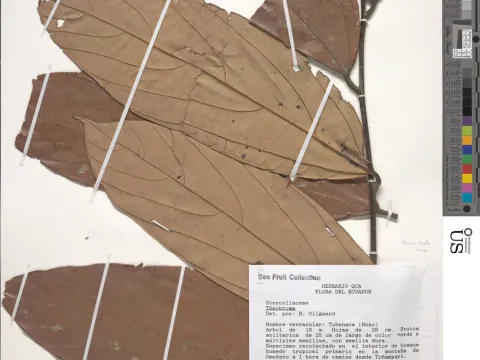
Theobroma glaucum
Theobroma glaucum
Theobroma glaucum is a woody plant belonging to the Malvaceae family. It is recognized for its unique botanical profile and genetic similarity to other species within the Theobroma genus.
What the section contains
Theobroma glaucum
The native habitat of this plant includes the humid tropical forests of South America. It thrives in regions with consistently high temperatures and abundant rainfall throughout the growing cycle.
The plant requires deep, well-drained, nutrient-rich soils. In agricultural practice, maintaining soil fertility through organic enrichment is essential for healthy development.
Shade management is crucial for the cultivation of Theobroma glaucum, especially during the early stages of plant growth, to protect the foliage from intense equatorial sunlight.
It prefers a sheltered environment where humidity levels remain high, as excessive drying or direct wind exposure can inhibit normal physiological processes and growth rates.
The primary threats include fungal diseases such as frosty pod rot and witches' broom, which can significantly impact plant health and overall productivity if not managed.
Insect pests, including aphids and various lepidopteran larvae, often feed on the developing buds and leaves, causing structural damage and hindering photosynthetic activity.
Soil-borne pathogens represent a persistent risk in humid environments, often targeting the root system and requiring strict soil drainage and site hygiene.
High humidity combined with poor airflow provides an ideal environment for mold and bacterial infections that can degrade the quality of flowers and young fruits.
Sustainable pest management protocols, including regular field inspections and the use of targeted biological controls, are essential for maintaining a healthy orchard.