
Theobroma pentagonum
Theobroma pentagonum
Description
Sowing dates
Propagation of Theobroma pentagonum is primarily achieved through fresh seeds, which possess high germination potential but lose viability rapidly after harvest.
Seeds must be sown immediately into a moist, well-draining medium to prevent them from drying out and losing their metabolic activity.
Nursery containers should be placed in shaded environments, as direct sunlight can easily dehydrate young seedlings before they establish root systems.
Transplanting is best performed at the onset of the rainy season, ensuring the young trees receive consistent moisture as they adapt to the soil environment.
Spacing is a crucial aspect of orchard design, as it dictates the level of airflow and access to sunlight for each individual tree canopy.
Growing requirements
As a member of the Malvaceae family, Theobroma pentagonum is a strictly tropical plant that demands stable high temperatures throughout the year.
The tree requires a climate with high humidity and protection from cold winds or dramatic temperature fluctuations that could stress the metabolism.
Deep, fertile, and well-structured soils are essential, as the species is highly sensitive to waterlogging, which often leads to severe root diseases.
Canopy management is often necessary, as young trees thrive under the partial shade provided by larger, taller forest trees in their natural habitat.
Regular application of organic mulch is recommended to maintain soil moisture, suppress weed competition, and provide a steady supply of nutrients.
Yield
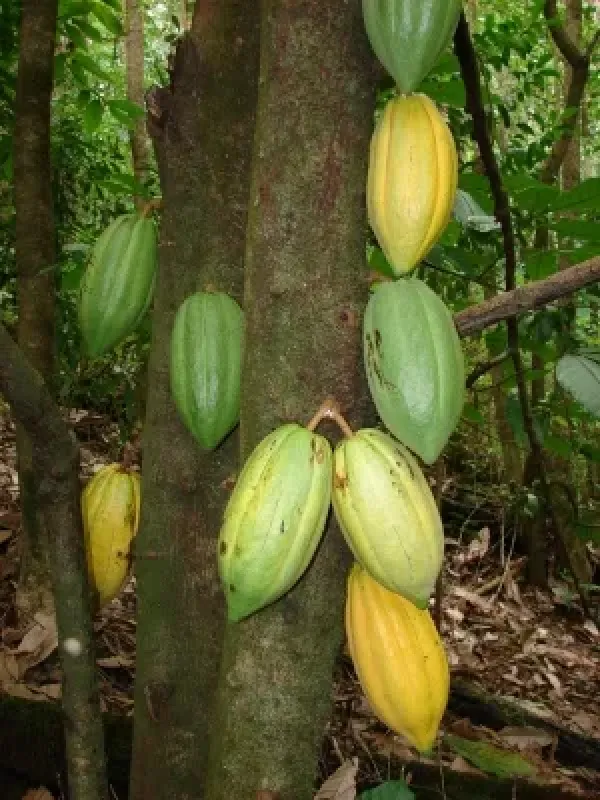
The yield of Theobroma pentagonum is distinguished by its unique pentagonal-shaped fruit, which serves as a key identifier for this particular species.
Productivity is highly influenced by effective pollination and the general health of the tree, which must be supported by consistent agricultural maintenance.
Quality beans produced by this tree are highly sought after for their specific fatty acid profile and aromatic characteristics, making them valuable for processors.
Regular pruning and nutrient management are necessary to shift the energy of the plant toward fruit production rather than excessive vegetative growth.
Mature plantations, if managed correctly, can provide a steady supply of fruits, with peak harvests typically coinciding with the end of wet periods.
Main diseases and pests
Fungal pathogens are the most significant threats to Theobroma pentagonum, particularly in environments with high humidity and poor air circulation.
Black pod rot can cause severe damage to fruit production, necessitating rigorous sanitary measures to remove and destroy infected plant material.
Various borers and sucking insects pose constant risks to the tree bark and branches, potentially causing structural damage if left untreated.
Integrated pest management, including the use of beneficial organisms and bio-pesticides, is preferred to protect the ecosystem and ensure harvest quality.
Physiological stress caused by soil nutrient imbalances often makes the tree more susceptible to secondary infections and opportunistic pests.
Harvesting
Harvesting Theobroma pentagonum must be done manually, requiring precision to avoid damaging the delicate bark and flowering cushions on the tree trunk.
Sharp, sterilized tools are essential to prevent creating open wounds on the tree that could serve as entry points for pathogens and wood-rotting fungi.
Selective harvesting is practiced, focusing only on fruits that have reached optimal maturity, identified by their specific coloration and physical texture.
Prompt post-harvest handling is critical, as the beans must be extracted and prepared for fermentation quickly to preserve their unique aromatic properties.
Coordinating the harvest with weather conditions is vital, as excessive moisture during the collection phase can lead to premature spoilage of the fruit.