
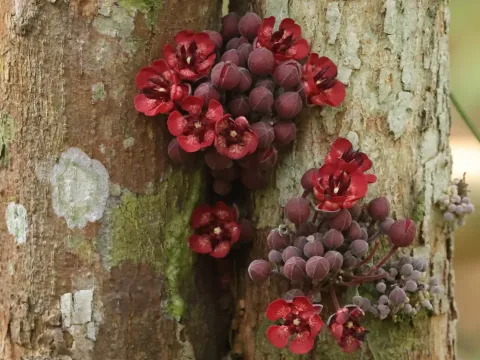
Theobroma speciosum
Theobroma speciosum
Theobroma speciosum is a perennial evergreen tree belonging to the Malvaceae family. While it is a lesser-known relative of the commercial cacao tree (Theobroma cacao), it shares many morphological characteristics and physiological needs with its famous genus member.
What the section contains
Theobroma speciosum
This species is native to the humid tropical forests of the Amazon basin. It thrives in regions with consistently high temperatures ranging from 24°C to 28°C and significant annual rainfall, ensuring the tree never experiences physiological drought.
The soil requirements for Theobroma speciosum include well-drained, nutrient-rich soils with a high concentration of organic matter. The tree is intolerant to waterlogging, as the roots are prone to decay when exposed to an anaerobic environment for extended periods.
Regarding microclimate, the plant requires semi-shaded conditions during its early growth stages. In natural habitats, it is an understory species, relying on the canopy of taller trees for protection against direct, intense sunlight and high wind speeds.
Agronomic management involves regular application of organic fertilizers and mulching to mimic the forest floor environment. This helps in maintaining soil moisture levels, suppressing weed growth, and providing a slow release of essential macronutrients to the tree.
The primary threats to Theobroma speciosum include various fungal pathogens that affect both the leaves and the fruits. Fungal infections, such as those caused by Phytophthora species, are common in high-humidity tropical environments.
Pests such as stem-boring insects and leaf-eating beetles can cause significant damage to the tree's vascular system and photosynthetic area. Integrated pest management (IPM) is recommended to reduce reliance on chemical pesticides.
Vascular wilts caused by soil-borne pathogens represent a major risk, especially in plantations established on degraded soils. Proper sanitation and the removal of infected plant debris are essential for maintaining a healthy orchard environment.
Climatic stress, specifically unexpected dry spells, can increase the tree's susceptibility to secondary pests. Weakened trees show reduced resistance to boring insects, leading to potential structural instability of the trunk.
- Regular pruning of dead branches to reduce fungal spores.
- Monitoring for visible signs of pest infestation on a weekly basis.
- Application of biological control agents to manage beetle populations.
- Maintaining optimal spacing to improve airflow between trees.
The harvest period occurs once the fruits reach physiological maturity, indicated by changes in epicarp color and texture. Harvesting is performed manually, requiring care to avoid damaging the tree, as wounds act as entry points for pathogens.
After collection, the fruits are processed to extract the seeds. These seeds contain fats and phytochemicals that offer industrial value, similar to other members of the genus Theobroma, though the specific chemical profile differs from standard cacao.
Fermentation is a critical post-harvest stage designed to develop the flavor and quality of the seeds. The seeds are placed in containers where natural enzymes break down the pulp, modifying the seed coat and internal chemical compounds.
Sun-drying follows the fermentation process. The seeds are spread out on trays until their moisture content drops to a safe level, usually below 8%. This ensures that the product is stable for transport and storage under tropical conditions.
Yield estimation is complex due to the tree's irregular flowering and fruiting cycles. Consistent agricultural management practices can significantly increase the total seed production per hectare compared to wild-growing specimens.