
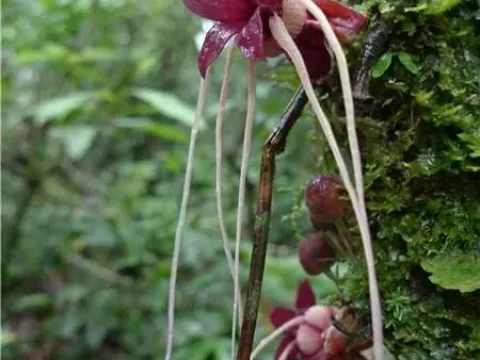
Theobroma microcarpum
Theobroma microcarpum
Theobroma microcarpum is a tropical tree species belonging to the Malvaceae family. Native to the Amazon basin, it is a close botanical relative of the commercially important Theobroma cacao, distinguished primarily by its smaller, distinct fruit characteristics.
What the section contains
Theobroma microcarpum
The plant thrives in deep, nutrient-rich tropical soils that are well-drained. It requires high humidity and consistent rainfall throughout the year, with a preference for environments that mimic the shaded understory of tropical forests where it naturally occurs.
Climate conditions are critical, as the species requires constant temperatures between 24°C and 28°C. It is extremely intolerant of frost and cold winds, making it strictly suitable for equatorial and tropical agricultural zones with stable thermal regimes.
In terms of cultivation technique, Theobroma microcarpum benefits from agroforestry systems where intercropping with taller trees provides the necessary shade. This practice helps conserve soil moisture and protects the canopy from excessive sunlight exposure during the juvenile phase.
Fertilization regimes focus on providing organic matter to the upper soil layers. Maintaining a slightly acidic to neutral soil pH is essential to ensure the availability of micronutrients required for healthy vegetative growth and future reproductive development.
The primary pathological threats to this species include fungal infections such as the "witches' broom" disease caused by Moniliophthora perniciosa. This pathogen affects the meristematic tissues and can lead to significant yield losses if left uncontrolled.
Pests, particularly various species of mirids and aphids, frequently attack the developing flower buds and young fruit. These insects not only cause direct physical damage but also serve as vectors for secondary bacterial and fungal infections within the orchard.
Integrated Pest Management (IPM) is strongly recommended, involving regular pruning and the removal of infected plant debris to reduce fungal inoculum. Cleanliness in the plantation environment is a primary defense strategy against the rapid spread of soil-borne pathogens.
Biological control agents, such as predatory insects, are often utilized in commercial settings to manage pest populations naturally. This reduces the dependency on chemical pesticides and supports the ecological balance within the tropical farm system.
Periodic monitoring for signs of stress, such as leaf discoloration or premature fruit drop, allows for timely intervention. Ensuring balanced plant nutrition and proper spacing between trees remains the most effective prophylactic measure against systemic disease outbreaks.