
Theobroma subincanum
Theobroma subincanum
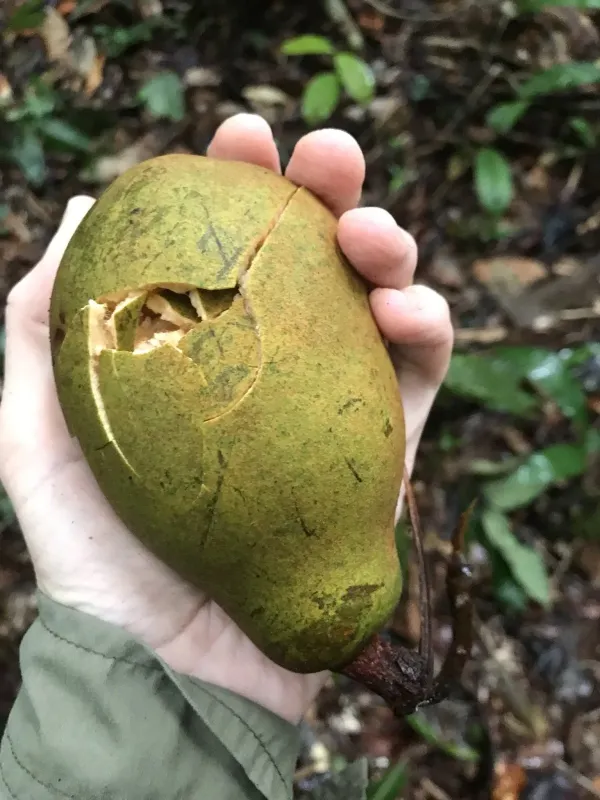
Description
Sowing dates
Theobroma subincanum, commonly known as cupuassu-mirim, is a tropical tree within the Malvaceae family. Propagation is primarily achieved through seeds, which must be planted shortly after harvest due to their recalcitrant nature and rapid loss of viability.
The best time to sow seeds is at the beginning of the rainy season to ensure optimal soil moisture levels for germination. Seeds are typically planted in nursery containers to provide a controlled environment for initial development.
A loose, well-draining substrate rich in organic matter is essential for successful germination. Seeds are placed at a shallow depth of about 2 to 3 centimeters, maintaining high humidity and temperatures.
Seedlings remain in the nursery until they reach a height of at least 40 centimeters, which usually takes several months. Proper shading during this stage is vital to protect the delicate plants from intense direct sunlight.
Vegetative propagation methods, such as grafting, are increasingly used in commercial plantations. This technique ensures genetic consistency and significantly reduces the time required for the trees to reach maturity.
Growing requirements
This species thrives in humid tropical climates characterized by consistent rainfall and high ambient humidity. The ideal temperature range for year-round development is between 22 and 30 degrees Celsius.
Soil requirements include deep, fertile, and well-drained conditions. The plant is sensitive to waterlogging; therefore, effective drainage systems are necessary to prevent root rot and physiological stress.
Young trees exhibit a high degree of shade tolerance, allowing them to be integrated into agroforestry systems. As trees mature, moderate light exposure is beneficial for stimulating flowering and fruit set.
Nutrient management involves regular applications of balanced fertilizers, with a focus on potassium and organic amendments. Soil pH should ideally be maintained in the slightly acidic range.
Mulching is a standard practice to preserve soil moisture and improve overall soil health. Maintaining a layer of organic mulch around the root zone helps mitigate the effects of minor dry spells.
Yield
Theobroma subincanum typically begins producing fruit 4 to 6 years after planting. Yield potential depends heavily on soil fertility, moisture availability, and the health status of the tree canopy.
Fruits are harvested when they reach full maturity, indicated by specific changes in skin color. Since fruits do not ripen off the tree, precise timing of the harvest is critical to ensure quality.
The pulpy interior is highly valued for its aromatic flavor and is used in local food industries for juices, jellies, and desserts. The seeds serve as a secondary product, often used for fat extraction.
Yields can be substantial when trees are planted at appropriate densities and managed to allow for adequate airflow. Regular pruning helps maintain a productive shape and improves harvest accessibility.
Consistent production requires sustained management of irrigation during flowering and fruit development. Proper monitoring of tree performance allows growers to optimize inputs and maximize annual yields.
Main diseases and pests
Fungal diseases, particularly those affecting the fruit and bark, are the primary threat in high-humidity environments. Preventive measures include regular sanitary pruning to improve canopy aeration.
Insect pests, such as various species of aphids and leaf-eating beetles, can cause significant damage to young foliage. Integrated pest management (IPM) strategies are recommended to keep populations below economic injury levels.
Root system health is frequently compromised by poor soil management or pathogen exposure. Ensuring proper site selection and avoiding heavy clay soils helps minimize the risk of root-related complications.
Environmental stress, such as prolonged drought or flooding, makes the trees more susceptible to opportunistic pathogens. Resilient tree management focuses on maintaining vigor through balanced nutrition and proper hydration.
Early detection of infections is key to preventing outbreaks within the orchard. Routine inspections allow for the removal of affected branches or fruits before the disease spreads to the rest of the crop.
Harvesting
Harvesting is performed manually to ensure only mature fruits are collected. Using specialized cutting tools prevents damage to the branches and maintains the tree’s future production capacity.
Post-harvest handling is critical, as the fruit has a short shelf life. Transporting the harvest to processing facilities immediately helps maintain the integrity of the pulp and seeds.
Separation of seeds from the pulp is a manual process that requires care to avoid damaging the seed coat. Clean processing environments are essential to prevent contamination by environmental microbes.
Drying the seeds properly after extraction is necessary to prepare them for storage or industrial use. Controlled drying conditions prevent the growth of molds and ensure the longevity of the final product.
Storing the processed seeds in cool, dry, and ventilated conditions is recommended. This preserves the nutritional and flavor properties, allowing for extended shelf life of the raw material.