
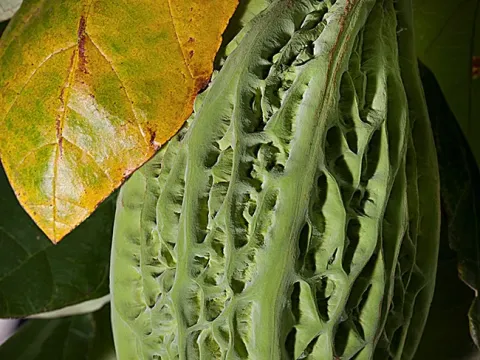
Theobroma bicolor
Theobroma bicolor
Theobroma bicolor, commonly known as macambo or pataxte, is a tropical evergreen tree species belonging to the Malvaceae family. It is native to the rainforests of Central and South America, particularly in the Amazon basin.
What the section contains
Theobroma bicolor
The tree reaches a height of up to 20 meters and thrives in humid, shaded environments within the forest canopy. In cultivation, it requires a stable, warm climate with temperatures consistently between 24 and 30 degrees Celsius throughout the year.
The plant is highly sensitive to cold temperatures and cannot tolerate frost. It grows best in deep, fertile, and well-drained soils, rich in organic matter. A slightly acidic soil pH is preferred for optimal nutrient uptake.
Adequate water supply is essential for the tree's health, particularly during the initial years of growth. However, stagnant water must be avoided to prevent root diseases, which are common in tropical waterlogged soils.
Theobroma bicolor is often grown in agroforestry systems alongside other tropical crops, benefiting from the shelter and the nutrient-cycling environment provided by polyculture farming practices.
The tree typically begins producing fruit within four to six years after planting. The fruits are large, woody, and elliptical, containing a sweet, nutritious pulp and numerous seeds that are processed similarly to cacao.
Yield capacity depends heavily on soil fertility, moisture availability, and the age of the tree. Selective harvesting is required as fruits mature at different rates throughout the season.
The seeds are highly valued for their nutritional profile, which differs from cacao due to lower fat content and a unique nutty flavor profile. They are widely used in local food industries to produce snacks and beverages.
To maximize production, farmers focus on canopy management to ensure sufficient light penetration to the developing fruit pods. Pruning also helps improve air circulation within the tree's structure.
Mulching the soil surface around the tree base is a standard practice to maintain soil moisture, suppress weeds, and provide a slow-release source of organic nutrients for the tree.
Fungal diseases represent a significant threat to Theobroma bicolor, especially in areas with high humidity and limited airflow. Anthracnose can cause severe damage to fruit quality and leaf health.
Various insect pests, such as mealybugs and scale insects, frequently infest young shoots and leaves. These pests can weaken the tree if not managed through regular monitoring and appropriate horticultural interventions.
Root rot is a major physiological threat caused by poor drainage and excessive irrigation. Ensuring a well-designed drainage system in the orchard is critical for plant longevity and disease prevention.
Competitive weeds pose a challenge, particularly for young trees that are vulnerable to being overgrown by fast-growing tropical vegetation. Integrated weed management is essential for maintaining young plantations.
Preventative measures, including the selection of healthy planting material and maintaining overall tree vigor, are the most effective ways to mitigate risks associated with common tropical pests and diseases.