
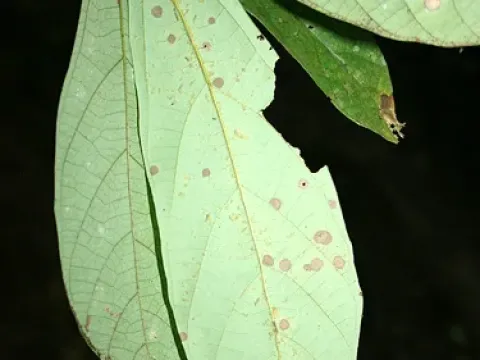
Theobroma obovatum
Theobroma obovatum
Theobroma obovatum is a member of the Malvaceae family, specifically belonging to the Sterculioideae subfamily. Native to the Amazon basin, it is an evergreen tropical tree that thrives in warm, humid equatorial conditions.
What the section contains
Theobroma obovatum
This species requires high ambient temperatures, ideally between +22 and +30 degrees Celsius, throughout the entire year. It is highly sensitive to cold stress and exposure to direct, strong wind currents.
A consistent supply of moisture is essential for the healthy development of this plant. It prefers high relative humidity levels, typically above 75%, reflecting its natural habitat within the tropical rainforest understory.
The ideal soil for Theobroma obovatum is nutrient-rich, deep, and well-draining, with a slightly acidic to neutral pH level. Proper soil structure is vital to support the plant's root system without allowing for waterlogging.
Agrotechnical practices involve providing shade for young trees and ensuring regular irrigation. Mulching is recommended to stabilize soil moisture levels and suppress weed growth around the base of the trunk.
The plant is cultivated primarily for its seeds, which are processed similarly to those of the better-known Theobroma cacao. These seeds are embedded in a sweet, edible pulp within the fruit, which develops directly on the woody stem.
Yield capacity is influenced by the maturity of the tree and the specific management practices on the farm. Harvesting is typically done by hand, targeting fully ripened pods to ensure the highest quality of the final seed product.
Post-harvest, the seeds undergo traditional fermentation and drying processes. These stages are crucial for developing the chemical profile required for various food and cosmetic applications.
Beyond traditional use, the crop offers potential for extract production rich in antioxidants and plant-based fats. It is increasingly viewed as a niche crop for sustainable agroforestry systems in tropical regions.
Continued research into the botanical properties of Theobroma obovatum aims to optimize harvest timing and improve processing methods. This work helps smallholder farmers maximize their production efficiency.
Fungal pathogens remain the most significant threat to production, particularly during seasons with excessive rainfall. Proper spacing between trees is essential to promote airflow and minimize the spread of moisture-related diseases.
Scale insects and mealybugs are common pests that can infest the bark and leaves of the tree. Implementing an integrated pest management strategy helps to control these populations without harming the local ecosystem.
Leaf-feeding insects can cause defoliation, which stresses the plant and impacts fruit development. Regular monitoring of the foliage is required to detect early signs of infestation and apply targeted interventions.
Root rot caused by poor soil drainage represents a major risk to tree longevity. Ensuring that planting sites are properly prepared with adequate drainage channels is a fundamental preventative measure.
Maintaining a healthy, balanced agricultural ecosystem is the most effective approach to pest and disease management. By prioritizing soil health and plant vigor, the risk of significant crop loss is substantially reduced.