
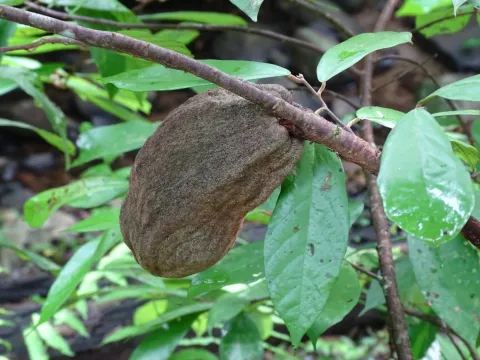
Theobroma angustifolium
Theobroma angustifolium
Theobroma angustifolium is typically propagated via seeds, which must be sown immediately after removal from the pod due to their very short viability. Proper nursery preparation is essential to ensure a high germination rate in tropical conditions.
What the section contains
Theobroma angustifolium
The seeds require a warm, humid environment with temperatures constantly maintained between +25°C and +28°C. Using a well-draining, nutrient-rich potting medium prevents fungal growth and ensures healthy root development.
Seedlings are best transplanted into their permanent outdoor locations at the onset of the rainy season. This allows the young trees to establish their root systems using natural rainfall before the drier months arrive.
Strategic spacing is vital, with trees ideally planted 3–4 meters apart. This distance promotes sufficient airflow throughout the canopy, which is a primary defense mechanism against the build-up of moisture and subsequent fungal diseases.
Initial establishment should include mulching around the base of the plant. This practice preserves essential soil moisture, regulates temperature, and significantly reduces the competition from surrounding weeds during the critical early growth phases.
As a member of the Malvaceae family, Theobroma angustifolium is strictly a tropical species requiring high, stable temperatures year-round. It is highly sensitive to cold snaps and frost, which can cause irreversible damage to its foliage and vascular system.
The ideal soil for this crop is a deep, fertile, well-drained loam rich in organic matter. A soil pH ranging between 6.0 and 7.0 is optimal for the efficient uptake of essential micro-nutrients required for robust vegetative growth.
High relative humidity (around 70–80%) is a prerequisite for success. In its native habitat, the plant thrives under the shade of taller forest canopy, which protects it from excessive sunlight and keeps the ambient humidity levels constant.
Water management is crucial. While the tree needs consistent hydration, it is highly susceptible to root rot if water stagnates in the soil. Proper drainage systems must be implemented on any plantation site to prevent waterlogging.
Shelter from strong winds is equally important, as the tree’s leaves and branches can be damaged by mechanical stress. Incorporating windbreaks or planting within a multi-strata agroforestry system is highly recommended for commercial production.
Trees typically begin to bear fruit between 3 and 5 years after planting. The exact timing depends on the environmental conditions and the quality of management provided during the juvenile stage of the tree.
Average yields are measured by the number of pods produced per tree annually. Under well-managed conditions with effective pollination, a healthy mature tree can yield between 20 and 50 pods per harvest cycle.
Pollination is generally carried out by native insects, such as midges. On larger plantations, maintaining natural habitat corridors can support healthy insect populations, which in turn leads to higher fruit set percentages across the crop.
Productivity levels fluctuate based on the age of the tree and seasonal weather patterns. Peak production is usually achieved in mature trees aged between 10 and 20 years, necessitating a structured long-term replacement strategy for the plantation.
The value of the harvest lies in the seeds within the fruit. These seeds contain specific fatty acids and alkaloids, making them a desirable niche commodity for specialized processing markets interested in botanical biodiversity.
Fungal infections, particularly phytophthora pod rot, are the most significant threat to this crop. High humidity environments exacerbate the spread of these pathogens, which can decimate an entire harvest if left uncontrolled.
Common pests like aphids, scales, and mealybugs can cause significant stress to young plants by feeding on sap. These insects also act as vectors for viral pathogens that can stunt plant growth and reduce overall vigor.
The «witches' broom» disease caused by Crinipellis fungi is a major concern for the entire genus. It requires rigorous monitoring and the immediate removal and destruction of any infected plant material to prevent the disease from spreading.
Stem borers can cause hidden damage inside the trunk, weakening the tree's structural integrity. Regular inspections and sanitation of the plantation are required to identify and treat these issues before they become terminal.
Integrated pest management (IPM) is the best approach, favoring biological control agents over aggressive synthetic pesticides, which can harm the beneficial insect populations needed for natural pollination.
Harvesting is performed manually using sharp pruning shears or specialized harvesting knives. Care must be taken to cut the pod stalk cleanly without damaging the cushion or the tree bark, which could lead to secondary infections.
Maturity is visually determined by the color change of the pod skin. It is essential to harvest only fully mature pods, as unripe or damaged fruit will yield low-quality seeds with poor processing characteristics.
Post-harvest, the pods are opened to remove the seeds for fermentation. This step is the most critical in the processing chain, as fermentation transforms the raw chemical profile into the desired aroma and flavor precursors.
Following fermentation, the seeds must be dried properly. Ideally, this is done using sun-drying techniques on raised platforms to ensure an even moisture reduction to below 8%, which prevents the growth of mold and ensures stability.
Finally, the dried seeds are graded, cleaned, and packed in moisture-proof containers for storage. Maintaining strict hygiene in the warehouse is essential to protect the high-value product from storage pests.