
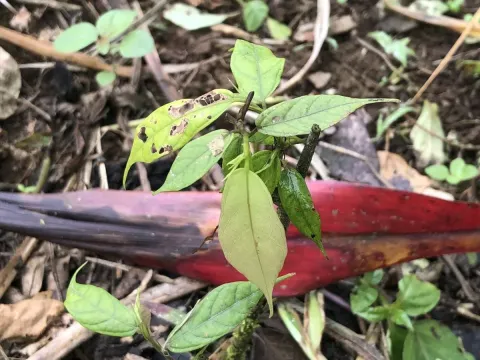
Theobroma gileri
Theobroma gileri
Theobroma gileri is a tropical tree species belonging to the Malvaceae family. It is a botanical relative of the better-known Theobroma cacao, sharing similar characteristics in its growth pattern, cauliflory, and ecological niche requirements.
What the section contains
Theobroma gileri
Native to the moist tropical forests of South America, particularly in the Amazon Basin, this species thrives in low-altitude regions. It is well-adapted to the high-humidity environments typical of tropical rainforests, where the canopy provides the necessary semi-shaded conditions.
Optimal cultivation requires consistent tropical temperatures, ideally between 22°C and 30°C. The species is highly intolerant of frost and extreme heat, making it suitable only for specific tropical climates where seasonal variation is minimal and rainfall is abundant.
The soil requirements involve deep, well-drained loamy soils enriched with organic matter. Proper soil aeration is vital, as the root system of Theobroma gileri is sensitive to waterlogging and poor drainage, which can lead to rapid fungal decay of the roots.
Agricultural techniques for this species include careful management of canopy density to provide light shade, especially during the initial growth phases. It is often studied within the context of agroforestry, where it maintains structural biodiversity in tropical farming systems.
The yield of Theobroma gileri is contingent upon both environmental conditions and the age of the stand. The fruit is a capsule containing seeds that, while structurally similar to cocoa beans, possess unique chemical and flavor properties that differentiate them from commercial varieties.
Economic utility is currently localized, focusing on the potential extraction of seed fats or experimental breeding programs. As a wild relative of commercial cocoa, it serves as an essential repository of genetic diversity for research into pest and disease resistance.
The main threats to Theobroma gileri are fungal pathogens that proliferate in high-humidity tropical environments, often causing pod rot and bark diseases. Managing air circulation around the canopy is essential for reducing the impact of these infections.
Insect pests, such as mealybugs and various wood-boring beetles, can weaken the trees and hinder fruit development. Integrated pest management strategies are often implemented to mitigate damage while preserving the natural ecosystem of the tropical forest understory.