
Theobroma calodesmis
Theobroma calodesmis
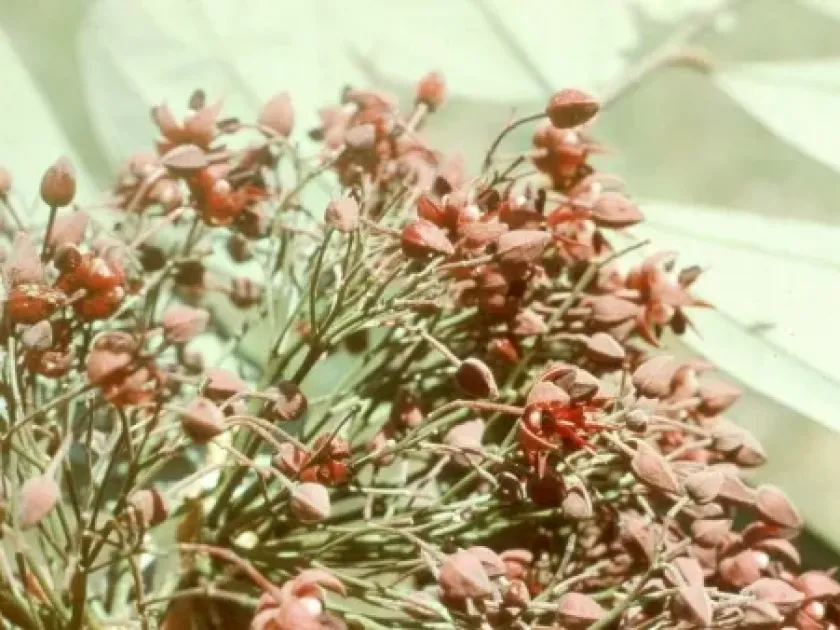
Description
Growing requirements
Theobroma calodesmis is a tree species belonging to the Malvaceae family, native to the tropical rainforests of Central America, specifically observed in Costa Rica. It is a botanical relative of the commercial cacao tree.
This species thrives in high-humidity environments with consistent tropical temperatures. It requires a stable climate where the temperature does not fluctuate significantly throughout the year.
For successful growth, Theobroma calodesmis prefers deep, fertile soils that are rich in organic matter. Good soil aeration and drainage are mandatory to prevent waterlogging, which the root system cannot tolerate.
The agricultural management of this plant involves providing partial shade, as it is adapted to the understory conditions of dense forest ecosystems, avoiding intense direct sunlight.
Beyond its botanical interest, the species represents a potential genetic resource. It is primarily managed in specialized botanical gardens and small-scale tropical agroforestry experiments.
Main diseases and pests
Primary threats to the health of the trees include fungal pathogens that exploit the high humidity and stagnant air pockets within the canopy of the forest or garden.
Pest pressure comes from various tropical insects, such as leaf miners and scale insects, which can weaken the tree by feeding on sap or leaf tissues.
Over-irrigation in less permeable soils often leads to root rot issues, which are among the most common causes of physiological stress in this species.
Mitigation strategies include regular canopy pruning to improve airflow and the implementation of organic integrated pest management techniques to maintain tree vigor.
Continuous monitoring of the foliage and root zone is essential for the early detection of pathological signs, ensuring that corrective agronomic actions can be taken promptly.