
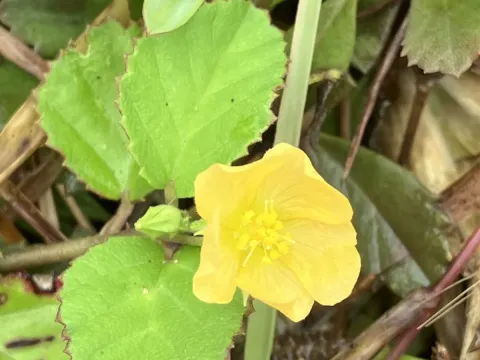
Sida samoensis
Sida samoensis
Sida samoensis is a perennial herb or small shrub belonging to the Malvaceae family. Native to the Pacific islands, it is recognized for its adaptability to humid tropical environments where it often populates open clearings and coastal scrublands.
What the section contains
Sida samoensis
The cultivation of this species requires well-draining, nutrient-rich soil to ensure robust growth. It thrives in soils that maintain consistent moisture levels without becoming waterlogged, as poor drainage significantly increases the risk of root rot pathogens.
Temperature requirements are strictly tropical, necessitating frost-free conditions throughout the year. The species performs optimally in full sunlight, which encourages the development of its characteristic serrated leaves and small, distinctively shaped flowers typical of the Sida genus.
Regarding cultivation practices, moderate nitrogen levels are recommended to promote vegetative growth. Growers should monitor soil aeration, as the plant responds well to well-structured, loose soil profiles that allow for root system development.
The economic and historical usage of Sida samoensis centers on its role as a traditional medicinal plant and its fiber-producing potential. Further research into its agronomic traits is necessary to optimize yields for commercial applications in botanical pharmacology.