
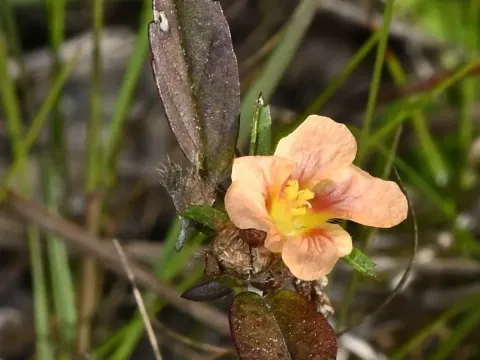
Sida plumosa
Sida plumosa
Sida plumosa is a perennial herbaceous plant belonging to the Malvaceae family, gaining recognition as a viable energy crop. Planting is typically conducted in the spring once soil temperatures reach 10-12 degrees Celsius to ensure steady germination.
What the section contains
Sida plumosa
Adequate soil moisture in the surface layer is crucial for successful seedling emergence. The standard agricultural practice involves row planting with spacing between 45 and 70 centimeters, which facilitates essential inter-row cultivation during the early growth stages.
Seed placement depth should range from 2 to 3 centimeters, depending on the soil structure and local moisture levels. Establishing good contact between the seeds and the soil is vital for achieving uniform and rapid emergence across the field.
During the first year, Sida plumosa focuses on developing a deep root system, leading to relatively slow growth above ground. Consequently, proactive weed control is necessary during the first season to ensure the crop establishes itself effectively without competition.
The seeding rate is determined by the quality and purity of the seeds, generally averaging between 8 and 12 kilograms per hectare. This density provides a competitive stand capable of producing high biomass yields in subsequent years.
Sida plumosa is well-adapted to various climatic conditions, exhibiting high tolerance to cold and winter hardiness. It thrives in temperate climates, making it suitable for cultivation across a broad range of geographical regions.
While not overly demanding regarding soil fertility, the crop performs best in loamy and rich chernozem soils. It is notably resilient to temporary waterlogging and drought conditions, thanks to its robust and deep taproot system.
The ideal soil pH for Sida plumosa ranges from 6.0 to 7.5. In acidic soils, liming is recommended to optimize nutrient availability and promote healthier plant development, ultimately contributing to higher total biomass production.
The plant responds well to mineral fertilization, particularly nitrogen and potassium applications during the spring, which significantly boost vegetation growth. Incorporating organic manure during soil preparation can also enhance long-term soil structure and fertility.
Sufficient sunlight is essential for optimal growth; therefore, planting sites should be open and free from shading. Adequate light exposure encourages the development of strong, fibrous stems, which are highly valued for energy and industrial use.
One of the primary benefits of Sida plumosa is its exceptional dry biomass yield, which can reach 15-20 tons per hectare under optimal conditions. This productivity level positions it as a competitive renewable energy source.
Peak yield is generally achieved by the third or fourth year after planting. With proper management, a single stand can remain highly productive for 10 to 15 years, minimizing the need for frequent reseeding and associated agricultural costs.
Initial biomass production in the first year is modest as the plant directs resources toward root development. However, by the second year, the plant enters a period of rapid development, producing sturdy stems that can grow over two meters tall.
Total yield is influenced by management practices, including pest control and nutrient availability. Excessive density should be avoided to prevent soil depletion and ensure that individual plants have enough space to reach their full potential.
Harvesting is performed using standard farm machinery equipped for biomass shredding. The moisture content of the harvested material is a critical parameter that determines the quality of the biomass for direct combustion or biofuel processing.
Sida plumosa is generally recognized for its high level of resistance to common agricultural pests and diseases. Its tough stem structure and unique secondary metabolites act as natural deterrents against many insect species.
In cases of prolonged humidity or poor soil drainage, fungal infections of the root system may occur. Preventing such issues requires careful selection of planting sites and avoiding fields prone to long-term water stagnation.
Aphids may occasionally appear on young plants during the early vegetative phase, but infestation levels rarely reach the threshold requiring chemical intervention. Natural predators usually maintain aphid populations at harmless levels.
Weed competition is a significant concern only during the initial year of establishment. Once the crop forms a dense canopy, Sida plumosa naturally suppresses weed growth, eliminating the need for further herbicide applications in established stands.
Periodic field monitoring is recommended to ensure early detection of any health issues. Overall, the crop is categorized as low-maintenance, requiring minimal input compared to other traditional industrial or agricultural crops.
Harvesting occurs after the end of the growing season when the stems have naturally matured and moisture content is at its lowest. Late autumn or early spring, before active sap flow begins, is considered the optimal window.
Specialized harvesting equipment cuts and shreds the stems in a single pass. The particle size of the shredded material is essential for efficient drying and combustion in biomass boilers, ensuring high energy output during utilization.
Delaying harvest excessively can lead to quality degradation due to weather exposure. Harvesting in early spring is often preferred if weather conditions prevent autumn access, as the plants continue to lose moisture during the winter months.
The shredded biomass requires proper storage, preferably in well-ventilated areas, to prevent moisture accumulation and spontaneous heating. Maintaining the quality of the raw material is key to its value as a renewable energy source.
Effective logistics and proper post-harvest handling are essential for maximizing the economic return of the crop. High-quality, low-moisture biomass serves as an efficient and sustainable fuel, ready for immediate industrial or residential energy use.