
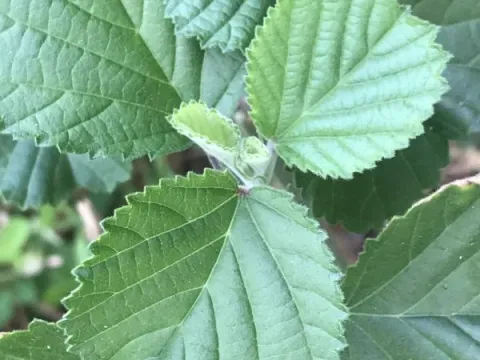
Sida rhombifolia
Sida rhomboidea
Sida rhombifolia is a tropical plant that requires warm soil conditions for optimal germination. Sowing should be scheduled for late spring, once the risk of night frost has passed and soil temperatures have consistently reached +15°C to +18°C.
What the section contains
Sida rhombifolia
Before planting, seeds often undergo scarification to break dormancy and ensure a uniform germination rate. The crop is typically sown in wide rows, providing enough spacing for each plant to develop a robust, upright stem structure suitable for industrial fiber production.
Plant density is a critical factor influencing the final fiber quality. Higher planting densities are generally preferred as they encourage the growth of taller, thinner stems, which yield a more refined and elastic bast fiber compared to widely spaced plants.
Seed depth should be kept shallow, approximately 1 to 2 centimeters, to facilitate quick emergence. Adequate moisture immediately after sowing is essential to support the initial growth stages, especially in regions with varying rainfall patterns.
Young sida plants have a slow growth rate and are sensitive to competition from weeds during their establishment phase. Effective weed management, particularly through mechanical cultivation in the early weeks, is crucial for maximizing crop potential.
Belonging to the Malvaceae family, Sida rhombifolia thrives in well-drained, fertile soils with a neutral pH. The plant is sensitive to waterlogging, making it unsuitable for low-lying areas or heavy clay soils where drainage is poor.
The plant is highly heat-tolerant and thrives in warm, humid climates with abundant sunlight. Exposure to full sun is necessary to stimulate rapid biomass accumulation and ensure the plant reaches its full physiological potential during the growing season.
The ideal temperature range for active growth is between +25°C and +30°C. Cold spells below +10°C significantly hinder metabolic activity, causing growth to stagnate and potentially reducing the fiber yield per hectare.
While the plant shows moderate drought tolerance, consistent moisture during the vegetative phase is required to produce high-quality fibers. In arid cultivation regions, the implementation of irrigation systems is often necessary for industrial viability.
Soil fertility management, particularly nitrogen fertilization, plays a vital role in increasing stem elongation and biomass. A well-planned crop rotation system, preferably following cereals, helps maintain soil health and reduces the pressure from pests.
Aphids are the most common pests, primarily targeting the soft leaf tissues and terminals of young plants. Monitoring and timely intervention using integrated pest management strategies are necessary to prevent severe plant stress and growth retardation.
Fungal diseases, such as Fusarium wilt, may occur under conditions of high humidity or poor soil drainage. Maintaining proper plant spacing and ensuring sufficient airflow within the canopy are key preventive measures against most moisture-related diseases.
Root rot pathogens are a persistent threat if irrigation practices are not correctly managed. Farmers must ensure that the soil environment remains aerated and that water does not pool around the base of the plant to prevent decay.
Leaf-eating insects can cause significant damage to the photosynthetic surface area of the plant. Regular field scouting is required to identify pest hotspots and apply targeted treatments before the economic threshold is crossed.
Crop rotation is an essential tool for long-term health management. Avoiding monoculture and following a diverse planting schedule helps mitigate the build-up of soil-borne diseases, thereby ensuring sustainable yields without relying on excessive pesticide use.
The harvest of Sida rhombifolia for fiber production should take place during the early flowering stage. This timing is critical because it represents the peak balance between fiber strength, length, and overall pliability for industrial processing.
Mechanical harvesting is generally used, with specialized equipment designed to cut the stems cleanly at the base. It is important to process or dry the harvested biomass promptly to maintain fiber integrity and prevent unwanted fermentation or color changes.
Post-harvest processing involves decortication, where the bast fibers are separated from the woody stem core. This can be achieved through mechanical decortication machines or traditional retting methods, depending on the specific quality requirements of the industry.
Drying the extracted fibers is a delicate stage, requiring controlled conditions to preserve color and mechanical strength. Moisture levels must be reduced uniformly to prevent the formation of mold, which can destroy the fiber quality during storage.
Final storage of the fiber bales should be conducted in dry, well-ventilated warehouse facilities. Protecting the product from moisture and direct sunlight is essential for maintaining high-grade fiber quality until it reaches the textile manufacturing facility.