
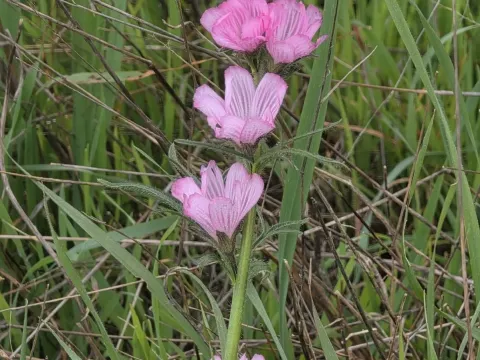
Sidalcea
Sidalcea A. Gray
Sowing Sidalcea seeds is best performed in early spring or late autumn for winter stratification. If growing from seeds indoors, sow them in late winter using a seed-starting tray to ensure a head start on the growing season.
What the section contains


Sidalcea
Seeds require a period of cold stratification to break dormancy. Placing them in a cold frame or a refrigerator for 3–4 weeks significantly improves germination rates and plant vigor.
Use a well-draining, sterile seed-starting mix. Cover seeds lightly with soil, as they need a moderate amount of light to trigger germination effectively. Keep the soil consistently moist but never waterlogged.
Once seedlings have developed two sets of true leaves, they should be transplanted into individual pots. This practice encourages a more robust root system before moving them to their permanent outdoor location.
Hardening off the seedlings is essential before final planting. Gradually expose them to outdoor conditions over a week to prevent transplant shock, ensuring they thrive once placed in the garden bed.
Sidalcea, commonly known as prairie mallow, is a member of the Malvaceae family. This genus is native to the western regions of North America, where it typically inhabits open grasslands and meadow environments.
The plant thrives in full sun, though it can tolerate partial shade in hotter climates. Adequate sunlight is crucial for the development of its signature spikes of mallow-like flowers and strong, upright stems.
Soil should be rich in organic matter and possess excellent drainage. While Sidalcea is adaptable, it prefers a moist, fertile loam that maintains hydration throughout the growing season without staying sodden.
Regular maintenance involves watering during dry spells and applying a balanced fertilizer in early spring. These practices ensure the plant reaches its full ornamental potential and maintains its health during peak bloom.
Deadheading spent flower spikes is highly recommended. By removing the faded blooms, you encourage the plant to direct its energy towards foliage development and potentially trigger a secondary blooming cycle.
Powdery mildew is the most common fungal threat to Sidalcea. It presents as a white, dusty coating on leaves, often occurring when air circulation is poor or humidity levels remain high for extended periods.
Aphids can be a significant nuisance, particularly on young, tender growth. They feed on plant sap, which can stunt development and encourage the growth of sooty mold due to the honeydew they excrete.
Root rot occurs if Sidalcea is planted in heavy, poorly draining soil. To mitigate this, ensure the planting site is elevated or modified with organic material to improve soil structure and porosity.
Slugs and snails may attack the foliage, especially in moist garden environments. Keeping the base of the plant clear of debris and using physical barriers or organic baits can help manage these populations effectively.
Rust fungi can occasionally affect the leaves. Regular inspection of the undersides of the foliage is necessary to catch any signs of infection early, allowing for quick removal of affected tissues to prevent spread.