
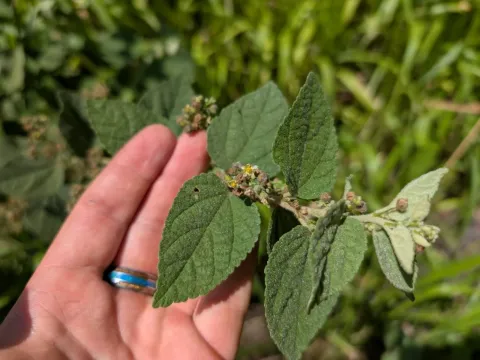
Sida micrantha
Sida micrantha
Sida micrantha, a member of the Malvaceae family, exhibits high plasticity regarding sowing dates in regions with warm climates. Traditionally, sowing begins once the soil has warmed up to a stable 15-18 degrees Celsius.
What the section contains
Sida micrantha
The seeds of the crop possess high germination energy, provided there is sufficient moisture in the topsoil layer. In commercial operations, wide-row sowing is practiced to ensure optimal nutritional area for each plant.
A crucial factor in determining the timing is the absence of late spring frost risks, as young seedlings are extremely sensitive to low temperatures. The optimal period is considered to be when the risk of night frosts is completely eliminated.
The seeding depth usually ranges from 1 to 2 centimeters depending on the soil texture and moisture content. Deeper sowing may significantly reduce emergence due to oxygen deficiency.
After mass emergence, initial inter-row cultivation is recommended to suppress weed growth and improve aeration of the root system.
The plant prefers sunny locations with fertile, well-drained soils. Sida micrantha is quite tolerant to pH fluctuations, although optimal indices range from 6.0 to 7.0.
The crop is heat-loving and requires a long frost-free period to complete its full life cycle. Under drought conditions, the plant can adapt by developing a robust taproot system.
A critical period for development is the phase of active vegetative mass growth, when water requirements increase. During this time, regular rainfall or supplemental irrigation ensures maximum fiber productivity.
Successful cultivation requires light loam or sandy loam soils that are not prone to waterlogging. Waterlogged plots lead to stunted growth and the development of root rots.
Sida micrantha responds positively to the application of organic and nitrogen fertilizers, which stimulate rapid stem growth and improve the quality characteristics of the bast fiber.
The economic use of Sida micrantha is primarily associated with obtaining high-quality bast fiber. Yields of dry stem biomass depend on the intensity of agronomic practices and soil fertility.
Under favorable conditions, the crop is capable of forming high stems, which allows for the extraction of significant volumes of biomass per hectare. Yield indicators are comparable to other Malvaceae members used in the textile industry.
The biological characteristics of the species allow it to be effectively used as a source of cellulose for the pulp and paper industry. Yield stability largely depends on maintaining consistent plant nutrition regimes.
The quality of the raw material obtained is determined by the uniformity of plant density in the field. Excessively sparse stands lead to increased branching, which reduces the yield of long fiber.
The yield potential can only be realized through effective weed control during the early stages of vegetation, when the crop grows slowly.
The main threats to Sida micrantha stands include insect pests from the Coleoptera order, which damage young leaves. Timely monitoring allows for the minimization of losses at early stages.
Fungal diseases, such as leaf spots, can affect crops under conditions of high air humidity and poor ventilation. Crop rotation is recommended for prevention.
Root rots are a serious problem in waterlogged areas, making the correct field selection a key method for pathogen control. Fungicide applications are justified only during mass infection outbreaks.
Nematodes may attack the root system, leading to a decrease in overall plant vigor and growth retardation. Including nematode-suppressing crops in the rotation is considered an effective agronomic practice.
Competition from weeds during the first weeks of development remains the main biological barrier, requiring mechanical weeding or the use of selective herbicides.
Harvesting is conducted during the period of biological maturity, when the fiber content in the stems reaches its maximum. This usually coincides with the end of the flowering phase and the beginning of seed ripening.
Specialized reapers are used for harvesting to ensure an even cut of the stems. It is important to avoid over-maturation, as this leads to fiber coarsening and deterioration of spinning properties.
After cutting, the stems are left in the field for natural retting or gathered into sheaves for further processing. Primary processing technologies depend on the end use of the harvested raw material.
In the case of seed production, harvesting is performed when the capsules darken. It is essential to complete the operations before mass dehiscence of the fruits and shattering of seeds.
Post-harvest processing includes drying and cleaning seeds of plant debris, which ensures their longevity during long-term storage in warehouses.