
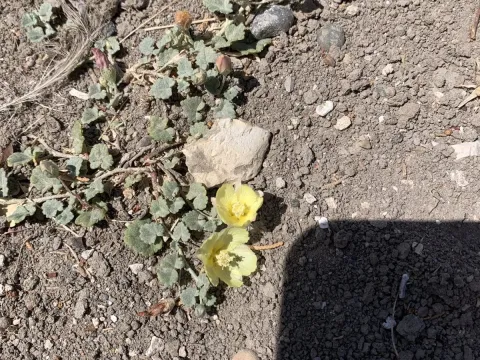
Sida leprosa
Sida leprosa
The sowing of Sida leprosa is primarily carried out in the spring, once the soil temperature reaches 12–15 degrees Celsius. It is crucial to ensure sufficient moisture in the seedbed to achieve uniform and vigorous emergence of the seedlings.
What the section contains
Sida leprosa
The optimal planting depth is between 2 and 3 centimeters, depending on the mechanical composition of the soil. Row planting is recommended, as it facilitates weed control and cultural practices during the early stages of plant development.
In regions with late springs, sowing dates may need adjustment, as the crop is sensitive to frost. Rolling the soil after sowing is highly recommended to improve soil-to-seed contact and ensure consistent capillary moisture supply to the seeds.
Seeding density is determined by the intended end use; fiber production requires higher planting rates compared to seed cultivation. Optimal spacing allows the crop to effectively utilize nutrient space and develop biomass more intensely.
After emergence, periodic inter-row cultivation is necessary to prevent soil crusting. This practice is especially critical in heavy clay soils, where poor aeration can hinder root system development and overall plant health.
Sida leprosa, a member of the Malvaceae family, is a light-loving plant that thrives in open, well-lit areas. The crop exhibits significant drought resistance once the establishment phase is successfully completed.
Soil preferences include well-drained loamy or sandy loam soils with a neutral or slightly alkaline pH level. The plant does not tolerate waterlogging or acidic soils, which can lead to stunted growth and the development of root rot diseases.
Climate requirements involve the necessity for a long, warm growing season. Optimal development is observed at stable average daily temperatures above 20 degrees Celsius during the active stem-growth phase.
Sida responds positively to balanced mineral fertilization, particularly nitrogen applications during the rapid growth phase. On nutrient-poor soils, incorporating organic matter during pre-winter plowing significantly enhances vegetative biomass productivity.
From an agrotechnical standpoint, strict adherence to crop rotation is essential. Re-planting Sida on the same field should not occur more frequently than every 3–4 years to prevent the build-up of specific Malvaceae-related soil pathogens.
The green biomass yield of Sida leprosa varies significantly based on moisture availability and the level of agricultural management. Under favorable conditions, the crop can generate a substantial volume of biomass used for various industrial applications.
To evaluate productivity, one must consider not only the total stem weight but also the yield of quality fiber, which depends on plant density. Excessive stand density can reduce fiber strength due to the lack of sufficient sunlight.
In irrigated farming systems, yields can increase by 30–40% compared to rain-fed crops. Regular irrigation during critical growth phases serves as the primary tool for managing the yield potential of this crop.
Seed harvesting requires careful moisture management to prevent shattering. While seed productivity for this species is moderate, proper management ensures a high multiplication factor for subsequent growing seasons.
Timely weed control is a vital factor for improving yield, as weed competition for nutrients and water is most severe during the first month and a half of the plant's vegetative cycle.
The primary diseases affecting Sida leprosa include fungal infections, such as Fusarium wilt and various types of leaf spot. Increased air humidity in dense stands promotes the rapid spread of these pathogens.
Among pests, the greatest danger is posed by insects that damage foliage and young shoots, particularly various species of weevils and bugs. Heavy infestations can significantly reduce the photosynthetic leaf area of the plants.
Disease prevention involves the use of certified, high-quality seed and maintaining spatial isolation from other Malvaceae plants. It is also important to avoid excessive nitrogen levels, which can make plant tissues more susceptible to infections.
If pest outbreaks occur, authorized systemic insecticides should be used. However, the priority remains agrotechnical control, which includes the thorough eradication of weeds that act as disease reservoirs.
Monitoring the crop's condition should begin from the appearance of the first true leaves. Early detection of infestation hotspots allows for localized treatment and prevents the threat from spreading across the entire field.
The harvesting of Sida leprosa is performed at the stage of technical maturity, when fiber content in the stems reaches its peak. Usually, this period occurs before the onset of mass seed formation to ensure high product quality.
Using specialized agricultural machinery allows for the mowing and preliminary shredding of stems directly in the field. The harvesting method depends on whether the raw material will be processed for fiber or used as industrial biomass.
Harvested material must be promptly sent for initial processing or drying. Prolonged exposure of the cut material in the field can lead to self-heating and the loss of the physical and mechanical properties of the fiber.
For seed harvesting, a two-stage method is used, involving preliminary mowing into windrows. After the seeds reach maturity in the windrows, they are threshed using combines equipped with specialized pick-up attachments.
Post-harvest crop residues can be incorporated into the soil as green manure, which contributes to fertility restoration and improves the soil structure for subsequent crops in the rotation cycle.