
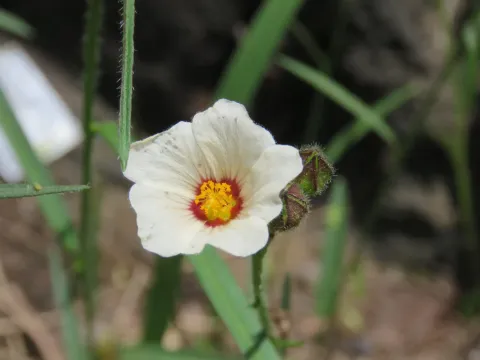
Sida linifolia
Sida linifolia
Sida linifolia is a tropical plant, and its sowing timing is strictly dependent on the onset of a stable warm season to ensure proper seed germination.
What the section contains
Sida linifolia
The seeds require a finely prepared, weed-free seedbed to establish a robust root system shortly after sprouting, which is crucial for overall plant health.
Row planting is recommended to provide each individual plant with sufficient space and access to sunlight, which is essential for uniform fiber development.
The ideal planting depth is shallow, usually around one to two centimeters, to prevent the exhaustion of the seed reserves before the shoot reaches the surface.
In regions with distinct wet seasons, sowing should coincide with the beginning of the rains to take advantage of natural moisture and favorable soil temperatures.
As a member of the Malvaceae family, Sida linifolia thrives in environments with high light intensity and requires full exposure to sunlight for optimal growth.
The plant prefers well-drained soil types, such as sandy loams, which prevent waterlogging and facilitate the deep penetration of the taproot system.
While the plant shows some tolerance to temporary dry spells, consistent soil moisture is required during the rapid growth phase to maximize biomass production.
Climatic requirements are specific to tropical and subtropical zones, where the plant can avoid the physiological stress caused by low temperatures.
Maintaining a neutral to slightly acidic soil pH is beneficial for nutrient uptake, and proper field drainage is vital to prevent fungal diseases in the root zone.
The yield of Sida linifolia is primarily measured by the total output of bast fiber, which is known for its durability and suitability for textile applications.
High yields depend on maintaining optimal plant density and ensuring that the crop receives sufficient mineral nutrients during its most active growing stages.
Depending on the cultivation intensity, this species can provide a significant quantity of biomass, which is valuable for both fiber production and secondary use.
The secondary products, such as the woody core (hurd) of the stem, can be utilized in composite materials or as bio-mulch, adding to the crop's economic value.
Strategic selection of harvest time is key to ensuring that the collected fiber meets the quality standards required by industrial manufacturing sectors.
Common agricultural pests for this crop include sap-sucking insects like aphids and mites, which can damage young leaves and inhibit plant development.
Fungal pathogens pose a risk, particularly in high-humidity conditions, which can lead to leaf spots and stem rots if the crop is not properly managed.
Integrated pest management, including regular field monitoring and the use of biological control agents, is the most effective approach for maintaining healthy crops.
Weed competition is particularly fierce during the early stages of establishment, necessitating manual or mechanical weeding to protect the young Sida seedlings.
Implementing a proper crop rotation strategy helps to reduce the build-up of soil-borne diseases and improves overall field hygiene and sustainability.
Harvesting is typically scheduled at the beginning of the flowering phase to ensure that the fiber quality and strength are at their absolute peak.
Mechanical harvesting involves cutting the stems close to the base, which allows for efficient processing and extraction of the long bast fiber bundles.
Post-harvest processing requires immediate drying to prevent microbial growth and maintain the integrity of the fibers during storage and transportation.
Standardizing the harvested material by stem thickness and length significantly improves the efficiency of subsequent industrial processing lines.
Careful handling of the harvested stems is necessary to minimize fiber breakage and ensure the production of high-grade raw material for the industry.