
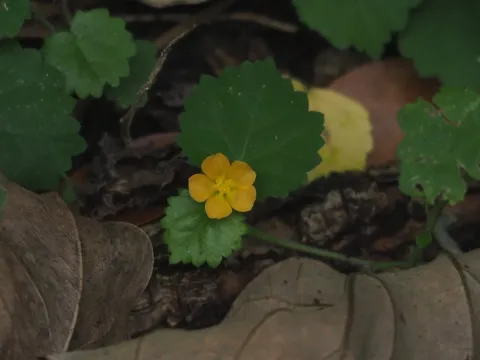
Sida javensis
Sida javensis
Sida javensis is a herbaceous perennial belonging to the Malvaceae family. This species is native to tropical environments, requiring consistent warmth and high humidity levels for optimal germination and early growth cycles throughout the year.
What the section contains
Sida javensis
For successful propagation, seeds should be sown in a well-aerated, moisture-retentive substrate at a depth of 1-2 centimeters. A stable temperature range between +22°C and +28°C is critical to ensure high germination rates and to avoid seed dormancy issues.
The sowing process requires careful management of light intensity. Young seedlings benefit from filtered sunlight during the first few weeks to protect delicate tissues from dehydration and scorching common in direct tropical sun.
Adequate soil moisture must be maintained continuously during the germination phase. Any significant dry spell during this sensitive stage can result in reduced seedling vigor and uneven stand establishment in the field.
Post-emergence development is characterized by rapid root expansion. Therefore, providing enough space between plants during the initial sowing stage is vital for the development of a robust and healthy plant structure.
The cultural requirements for Sida javensis center around its preference for tropical climates. The plant thrives in conditions where temperatures remain stable, as it lacks the physiological mechanisms to withstand freezing or frost.
Ideal soil for this species is a loamy or sandy-loam composition with a near-neutral pH level. Efficient drainage is paramount; the root system is highly susceptible to hypoxia and rot if the soil remains waterlogged for extended periods.
Sida javensis responds well to regular fertilization, especially with nitrogen-based boosters during the vegetative growth phase. Potassium supplementation helps maintain structural integrity, preventing stems from lodging under their own weight.
Routine weeding is an essential part of its agronomy to prevent nutrient depletion by invasive species. Maintaining an open canopy through spacing also ensures adequate light penetration, which is vital for the plant's metabolic processes.
Regular monitoring of irrigation is necessary. While the plant likes moisture, it prefers drying out slightly between waterings, which stimulates root health and encourages deeper nutrient absorption within the soil profile.
Common agricultural pests affecting Sida javensis include spider mites and aphids, which often proliferate in warm and sheltered environments. Integrated pest management, focusing on biological controls, is the preferred strategy for sustainable cultivation.
Fungal diseases like powdery mildew pose a risk in environments with poor air circulation. Thinning out overcrowded areas and removing affected leaves are effective practices for mitigating the spread of these common fungal pathogens.
Root rot, often caused by over-irrigation or compacted soil, represents a primary threat to plant longevity. Ensuring that soil texture remains friable and well-drained is the most effective preventative measure against this threat.
Viral infections can manifest through leaf discoloration and stunted growth patterns. Since insects are the primary vectors for these viruses, controlling the pest population in the field is necessary to maintain overall crop health.
Gray mold can affect flowers and developing seeds during periods of high humidity and rainfall. Improving ventilation and reducing leaf wetness are essential tactics for preserving the harvest yield during the reproductive phase.