
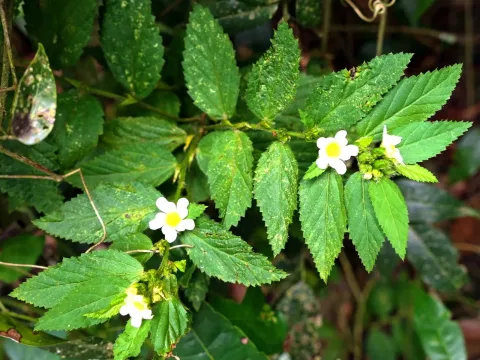
Sida glomerata
Sida glomerata
Sida glomerata, a member of the Malvaceae family, is a perennial herb that exhibits vigorous growth in warm climates. Successful cultivation begins with precise timing, typically following the onset of the rainy season or when soil temperatures reach 15-18°C.
What the section contains
Sida glomerata
The planting depth is crucial for optimal germination; seeds should be placed approximately 1.5–2 centimeters deep. This ensures adequate soil moisture levels while allowing the seedling to emerge efficiently without exhausting its energy reserves.
Field preparation involves deep tillage to loosen the soil structure and clear existing weeds, which helps in preventing early competition. Row planting, with spacing between 40 and 60 centimeters, is recommended to provide sufficient space for plants to develop their root systems and canopy.
In terms of sowing strategy, one must consider the photoperiod and local environmental conditions. Early sowing into warm, moist soil allows the plants to establish a strong root system before the peak of the heat season, promoting better overall health.
High-quality, certified seeds are essential for achieving uniform emergence across the field. With proper field management, seedlings typically emerge within two weeks, signaling the commencement of the critical early growth phase.
Sida glomerata is a sun-loving species that demands high solar radiation for optimal biomass accumulation. Locations with full sun exposure are preferred to prevent etiolation and maintain the structural integrity of the stems.
Regarding soil, the plant prefers fertile, well-draining loams with a neutral pH. While it is somewhat resilient, it does not tolerate waterlogging, as standing water can easily lead to root rot and other physiological stressors.
Water management is vital; consistent moisture is required during the active vegetative growth phase. Irrigation should be applied strategically, ensuring the soil remains moist without creating anaerobic conditions around the root zone.
The ideal temperature for photosynthesis and metabolic activity ranges between 25°C and 30°C. In such conditions, the plant can reach its biological potential, producing high-quality fiber suitable for various industrial applications.
Fertilization regimes should focus on nitrogen during the early stages to promote vegetative growth, with phosphorus and potassium applied as needed to support stem development. Regular weeding keeps the area clean and reduces competition for essential soil nutrients.
The yield of Sida glomerata is largely dependent on agricultural management practices and soil fertility. Under intensive production systems, the plant produces significant quantities of biomass, which serves as the primary raw material.
The primary economic output is the fibrous content extracted from the stems. Yield efficiency is measured in dry fiber tons per hectare, and this figure can be optimized by harvesting at the precise physiological maturity stage.
Yield stability is enhanced by supplemental irrigation in regions prone to seasonal rainfall fluctuations. By mitigating water stress, farmers can ensure a consistent supply of raw material for the processing industry throughout the harvest season.
Seed production requires careful monitoring of the maturity cycle. Harvesting should occur once the seed pods begin to change color to prevent pre-harvest loss through natural shattering, ensuring high seed viability for the following cycle.
Modern breeding and selection programs aim to increase biomass density and fiber quality, making Sida glomerata an increasingly attractive option for agricultural diversification and industrial material supply chains.
Like many Malvaceae members, this crop faces pressure from pests such as aphids and leaf-eating beetles. These insects can damage the photosynthetic tissue, leading to stunted growth and reduced fiber quality if left unchecked.
Fungal pathogens causing leaf spots are common in high-humidity environments. Maintaining proper plant spacing and ensuring good airflow within the canopy are primary cultural controls to minimize the spread of these diseases.
Nematodes represent a subterranean threat, especially in sandy or exhausted soils where crop rotation has not been practiced. Integrated pest management, including the use of trap crops and crop rotation, is essential for long-term field health.
The health of the field depends on proactive monitoring. Scouting for signs of disease or pest infestation on a weekly basis allows for targeted interventions, reducing the need for broad-spectrum chemical applications.
Biological controls are increasingly used to manage pests, promoting a sustainable balance in the agroecosystem. These methods effectively protect the crop while maintaining the environmental standards required for modern sustainable agriculture.
The harvest of Sida glomerata occurs when the plants reach the peak of their vegetative development, specifically at the onset of flowering. At this stage, the fiber content and quality are at their industrial maximum.
Mechanical harvesting utilizes heavy-duty headers to cut the stems at the desired height. Rapid transport to the processing facility is necessary to prevent degradation of the plant material and maintain high standards for extraction.
The stems undergo industrial retting or mechanical processing to separate the fibers from the non-fibrous plant components. This process is time-sensitive and requires strict environmental control to preserve fiber length and elasticity.
Seeds are harvested separately, ensuring they are fully mature and dry. After threshing, the seeds should be dried to a moisture content of roughly 10-12% to ensure longevity and successful germination in future seasons.
Residual biomass after fiber extraction is often composted or used as a soil amendment. Returning this organic matter to the soil is a vital step in maintaining nutrient cycles and long-term soil structure in continuous production systems.