
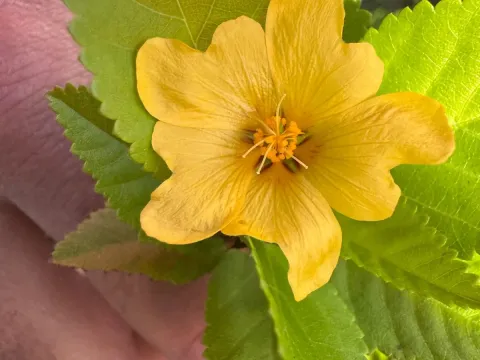
Sida fallax
Sida fallax
Sida fallax, commonly known as Ilima, is a perennial shrub belonging to the Malvaceae family. Propagation primarily occurs through seeds, which require specific conditions for optimal germination success.
What the section contains
Sida fallax
To prepare seeds for sowing, scarification is highly recommended due to their tough seed coat. This process facilitates water absorption and leads to more uniform germination across the seed lot.
Seeds should be sown in a well-draining substrate at a shallow depth of approximately 1 to 2 centimeters. Maintaining a temperature range between 22 and 26 degrees Celsius is critical for early development.
Once seedlings emerge, they require ample light to prevent etiolation. Transitioning to a nursery environment with controlled humidity and ventilation ensures that the young plants develop strong stems and healthy root systems.
Hardening off the seedlings is an essential step before final transplanting. Gradually exposing them to outdoor conditions over several days reduces transplant shock and increases the overall survival rate of the crop.
This plant thrives in full sun exposure, making it an excellent candidate for cultivation in tropical and subtropical regions. Inadequate light results in spindly growth and a significant reduction in flower production.
Soil requirements for Sida fallax include well-drained, sandy, or loamy soils. It is highly intolerant of waterlogged conditions, which quickly lead to root rot and other physiological disorders.
While the species is notably drought-tolerant, commercial production benefits from consistent, moderate irrigation. Supplying water during critical stages of development helps in achieving higher yields of floral material.
The optimal pH range for Sida fallax is slightly acidic to neutral. Ensuring the soil is rich in essential nutrients through balanced organic fertilization supports the plant's long-term health and productivity.
Temperature management is crucial as the plant is not frost-tolerant. Areas prone to freezing temperatures are unsuitable for open-field cultivation, making greenhouse or container management necessary in such climates.
Spider mites and whiteflies represent the most common pests that attack Sida fallax. These insects thrive in hot, dry climates and can cause severe damage by feeding on the sap of the plant.
Fungal diseases, specifically root and stem rots, are significant threats during periods of high humidity or poor soil drainage. Pathogens can spread rapidly if air circulation around the plants is obstructed.
Effective pest management involves integrated strategies, such as regular field monitoring and the use of insecticidal soaps or biological controls. Removing weeds from the field borders is vital to eliminate alternative hosts for pests.
Maintaining proper plant spacing is an essential cultural practice that reduces disease pressure by improving air circulation and sunlight penetration. This practice also simplifies the application of treatments when necessary.
Quarantine measures and careful inspection of new plant material are essential to prevent the introduction of invasive pests and diseases. Early detection is the key to preventing localized infections from impacting the entire crop.
Harvesting Sida fallax focuses on collecting its vibrant flowers, which are valued for both medicinal purposes and decorative use, such as in traditional garlands. Precision and timing are essential for quality control.
The harvest should be performed in the early morning hours, once the dew has evaporated but before the heat of the day reaches its peak. This ensures that the flowers retain their essential oils and structural integrity.
Post-harvest processing involves drying the flowers in a shaded, well-ventilated space to preserve their natural color and medicinal properties. Direct sunlight must be avoided to prevent fading and chemical degradation.
Once dried, the material must be packaged in moisture-proof containers and stored in a cool, dark environment. Proper storage prevents degradation and ensures a longer shelf life for the final product.
Regular maintenance pruning after the flowering peak can encourage the plant to produce a subsequent flush of blooms. This allows farmers to maximize their output throughout the growing season through careful management.