
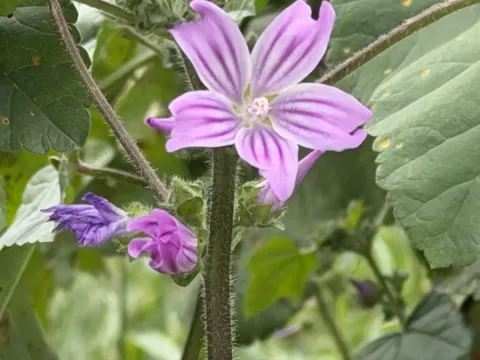
Malva multiflora
Malva multiflora
Malva multiflora is a heat-loving crop; therefore, direct seeding into open ground should only commence once the soil temperature consistently reaches 12–15 degrees Celsius.
What the section contains
Malva multiflora
In warmer regions, the ideal planting window falls in the second half of April, once the threat of late spring frosts has completely passed.
For colder climates, starting seeds in containers indoors 4–6 weeks before the final frost date is highly recommended to ensure a longer growing season.
Seeds should be sown at a depth of 2–3 centimeters, which protects them from desiccation while allowing for robust germination and initial root development.
Row spacing should be maintained at 45–60 centimeters to facilitate proper aeration and allow for mechanical weeding between rows during the active growth phase.
This crop thrives in fertile, well-draining soils rich in organic matter, preferring loams or chernozems with a neutral to slightly alkaline pH.
Being a light-demanding plant, Malva multiflora requires full sun exposure; planting in shaded areas will significantly reduce biomass production and overall plant vigor.
Adequate water supply is crucial for consistent growth, especially during the peak of summer, though the plant shows moderate resilience to short periods of drought.
Balanced fertilization, particularly nitrogen application in the early vegetative stage, is essential to stimulate the development of high-quality foliage.
Regular maintenance of the soil structure through shallow cultivation helps preserve moisture and improves oxygen exchange to the root zone.
Malva multiflora is highly valued for its significant biomass yield, making it an excellent candidate for intensive forage production systems in agricultural settings.
The nutritional profile of the leaves, rich in crude protein and minerals, makes it a premium choice for high-quality silage production for livestock.
Depending on soil fertility and irrigation management, farmers can achieve yields of up to 40-60 metric tons of green matter per hectare per season.
Beyond animal feed, the plant is increasingly studied for its industrial potential, specifically in the production of natural fibers and raw cellulose materials.
As a prolific flowering plant, it serves as a valuable nectar source for pollinators, supporting biodiversity and honey production in nearby apiaries.
Rust caused by fungal pathogens is the most prevalent disease, appearing as dark, necrotic spots on leaves, which can severely limit photosynthetic capacity.
Powdery mildew may occur under conditions of high humidity and poor air circulation, necessitating the timely application of systemic fungicides.
Pest pressure from aphids and slugs can be significant during the early growth stages, often requiring manual or biological control methods to protect tender sprouts.
To minimize the risk of recurring diseases, it is essential to implement strict crop rotation cycles, avoiding the planting of mallows in the same plot for consecutive years.
Removing and disposing of crop residues immediately after harvest helps break the life cycle of common soil-borne pests and fungal spores.
The optimal harvest window for green forage is during the peak flowering stage, which ensures the highest concentration of digestible nutrients within the plant tissues.
Mechanical harvesting using forage harvesters provides the most efficient method for processing large tracts of land while maintaining uniform chop length.
Seed harvesting should be timed carefully when the seed capsules turn brown and dry, preventing significant yield losses due to premature shattering.
Post-harvest handling requires effective drying or ensiling processes to prevent mold growth and ensure the long-term preservation of feed quality.
Proper cleaning of the harvesting equipment between fields is recommended to prevent the accidental spread of weeds or pathogens across different agricultural zones.