
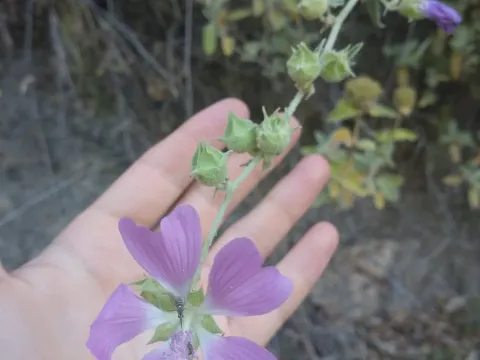
Malva unguiculata
Malva unguiculata
Malva unguiculata, a member of the Malvaceae family, is a versatile plant suitable for cultivation in temperate climates. The ideal sowing window occurs in early spring, once soil temperatures consistently exceed 10–12 degrees Celsius to ensure rapid germination.
What the section contains
Malva unguiculata
Winter sowing is also a viable strategy, as the seeds benefit from natural stratification, resulting in more uniform emergence when soil conditions improve. It is essential to maintain adequate soil moisture during the initial stages to support the plant's development.
Seed depth should be calibrated between 2 and 3 centimeters for lighter soils, while shallower depths of 1.5 to 2 centimeters are preferred in heavier, clay-based textures. Proper spacing, typically 45 to 60 centimeters between rows, facilitates optimal air circulation.
Using precision planting equipment helps achieve the target plant population density, which is critical for maximizing biomass production. Avoiding over-crowding is necessary to ensure each plant receives sufficient nutrients and sunlight to reach its full growth potential.
Standard seeding rates are determined based on the intended use of the crop, whether for fodder or seed production. Proper planning at this stage significantly reduces the need for supplemental operations later in the season.
Malva unguiculata demonstrates strong adaptability to various soil types, though it performs best in fertile, well-drained loams. The plant prefers a soil pH range that is neutral or slightly acidic for optimal nutrient uptake.
As a light-loving species, this crop requires open fields with maximum sun exposure to thrive. Insufficient light leads to etiolated stems and a significant drop in overall biomass yield, making site selection a key factor in successful farming.
Water requirements for this species are moderate; it exhibits good drought tolerance once established. However, during critical growth phases, consistent irrigation or well-timed rainfall is necessary to maintain high production levels and plant vitality.
The crop prefers a temperate climate with daytime temperatures between 18 and 25 degrees Celsius. While it can withstand minor temperature fluctuations, it is susceptible to severe frost damage during the vulnerable seedling stage.
Field maintenance should include regular mechanical weed control between rows to improve soil aeration. Integrating organic amendments during soil preparation significantly benefits the plant's long-term health and growth vigor.
The yield of Malva unguiculata is highly dependent on effective crop management and soil nutrient availability. Under intensive agricultural systems with proper irrigation, the crop can provide substantial amounts of green matter throughout the growing season.
Multiple harvests per season are possible if managed correctly, significantly increasing the cumulative yield per hectare. The total weight of the harvested biomass is influenced by the harvest timing, with peak volume reached at the onset of flowering.
Nutritional quality is at its peak during the early budding stage, making this the most desirable time for harvesting when the plant is intended for fodder use. Delaying harvest leads to a decrease in protein content due to natural lignification of stems.
Seed production requires careful monitoring, as the seeds may drop once fully matured. Timely harvest of seed crops is essential to minimize losses and ensure the quality and purity of the harvested grain for future planting cycles.
Sustainability is a core strength of this crop, as its ability to regrow rapidly after cutting allows for multiple harvests without needing to replant. This efficiency makes it an economically viable option for various agricultural operations.
Common diseases affecting Malva unguiculata include fungal issues such as rust and various leaf spot pathogens, which typically thrive in high-humidity environments. Managing field density is a crucial preventative measure against these infections.
Insect pests, such as aphids and leaf-eating beetles, can cause significant damage to young foliage. Regular monitoring allows for the early detection of these pests, preventing the need for broad-spectrum chemical treatments later.
Implementing a diverse crop rotation cycle is the most effective way to prevent the build-up of soil-borne pathogens. Rotating away from other Malvaceae family members reduces the likelihood of host-specific pest outbreaks in the field.
Biological pest control methods, such as encouraging beneficial predatory insects, are highly recommended for an eco-friendly approach. Chemical interventions should only be used as a last resort when threshold levels of infestation are exceeded.
Maintaining high hygiene standards in the field, including the removal of infected crop residues, plays a vital role in disease management. Proactive care significantly reduces the risks associated with long-term crop cultivation.
For fodder production, harvesting is conducted using forage harvesters during the peak of the budding phase. This ensures the harvested material retains its nutritional integrity and is easy to store as either silage or hay.
Proper drying techniques are required when producing hay to prevent loss of leaves and structural degradation of the material. Effective air circulation during the drying process is critical for maintaining high-quality end product.
Harvesting for seed involves a two-stage approach: mowing the plants into windrows to dry, followed by threshing to separate the seeds. This method effectively reduces shattering losses while ensuring consistent seed quality.
Equipment must be calibrated correctly to handle the biomass without causing unnecessary mechanical stress. Clean harvesting practices ensure that the end product is free from contaminants, which enhances its overall market and utility value.
Post-harvest soil management includes the incorporation of plant residues into the earth, which helps recycle nutrients back into the field. This contributes to the long-term fertility and health of the soil for subsequent crop cycles.