
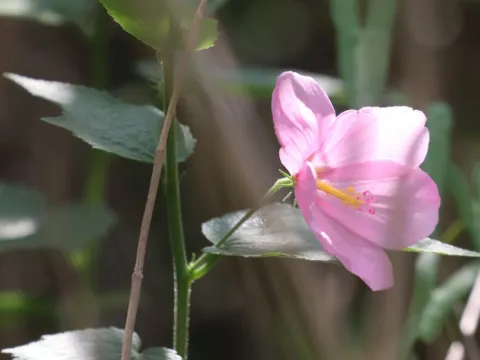
Kosteletzkya
Kosteletzkya
Kosteletzkya is a genus of perennial herbaceous plants belonging to the Malvaceae family. These plants are scientifically recognized for their remarkable salt tolerance and ability to thrive in saline environments.
What the section contains
Kosteletzkya
Native to tropical and subtropical regions of the Americas, this genus includes species like Kosteletzkya virginica, which has shown great adaptability to brackish marshes and coastal areas.
Botanically, the plant features robust stems, simple leaves, and distinct flowers, characterized by a well-developed root system that can penetrate compacted soil layers.
The culture requires high moisture levels in the soil for optimal growth but demonstrates extraordinary resilience to high salinity, making it a sustainable choice for marginal land reclamation.
Sunlight is a critical requirement, as Kosteletzkya thrives best in open, high-insolation environments with long growing seasons, minimizing frost exposure throughout its life cycle.
The primary economic value of Kosteletzkya lies in its stem fibers, which are high in cellulose and suitable for the production of textiles, ropes, and various industrial materials.
Research indicates that seeds contain significant oil content, presenting an opportunity for the extraction of technical oils or as a feedstock for sustainable biodiesel production.
As a phytoremediation tool, the plant acts as a soil stabilizer, assisting in the long-term improvement of soil health by managing salt concentrations in the root zone.
Yield metrics for biomass are highly dependent on planting density and nutrient management, which ensure the plant reaches its full potential in fiber production.
Innovative harvesting methods are being explored to streamline the processing of stalks while preserving the integrity of the valuable secondary components found in the plant.
Like many species within the Malvaceae family, Kosteletzkya may be prone to specific pests, including aphids and spider mites, which can sap vitality from the growing stems.
Fungal pathogens such as leaf spot and various rots may emerge if the planting sites lack proper drainage or air circulation during periods of excessive rainfall.
Integrated Pest Management (IPM) strategies are essential for maintaining crop health, emphasizing the use of beneficial insects and biological controls over synthetic agents.
Crop rotation is recommended to disrupt the life cycles of soil-borne pathogens, ensuring that the field remains productive and disease-free over multiple years.
Timely inspection of the crops is vital, particularly during the early vegetative stages, to prevent significant economic loss from localized pest outbreaks.