
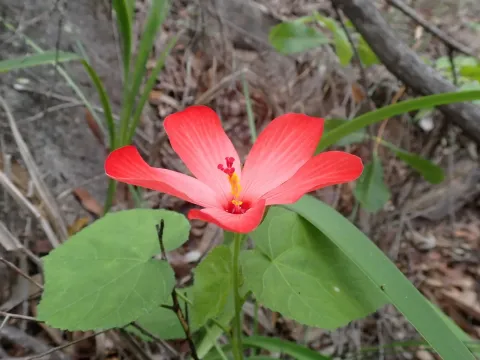
Hibiscus rugosus
Hibiscus rugosus
Hibiscus rugosus is a member of the Malvaceae family, native to various African ecosystems. It is recognized for its distinctively rugose, or wrinkled, foliage, which sets it apart from many other ornamental hibiscus species. This perennial shrub thrives in tropical climates characterized by warm temperatures throughout the year.
What the section contains
Hibiscus rugosus
The plant demands well-drained soil with a slightly acidic to neutral pH profile. Given its natural habitat, it is highly intolerant of waterlogged soils, which can lead to rapid root decay. Adding organic matter to the soil can help improve its structure and nutrient retention capabilities.
Optimal growth is achieved in full sunlight. Exposure to at least six to eight hours of direct light daily is essential for maintaining the vigor of the plant and stimulating profuse flowering. It is not cold-hardy and must be protected if temperatures drop significantly during winter months.
Cultural practices include consistent irrigation during the peak growing season, ensuring that the soil remains moist but not saturated. Fertilization using a balanced, slow-release nutrient mix during the spring encourages the development of healthy stems and foliage.
While primarily cultivated for ornamental purposes, the genus Hibiscus holds significant interest for its fibrous content and potential use in various industrial applications. Careful monitoring of the plant’s growth cycle helps in maximizing its visual impact and overall health in diverse landscapes.
Common pests affecting Hibiscus rugosus include aphids, whiteflies, and two-spotted spider mites. These pests typically congregate on the undersides of leaves, and early detection is vital to avoid damage to the plant's delicate tissues during the growth phase.
Pathogenic threats are usually associated with excessive humidity and poor drainage. Powdery mildew can develop on the leaf surfaces, while root rot pathogens represent a severe risk if soil moisture levels are not properly managed throughout the vegetation period.