
Woodfordia
Woodfordia
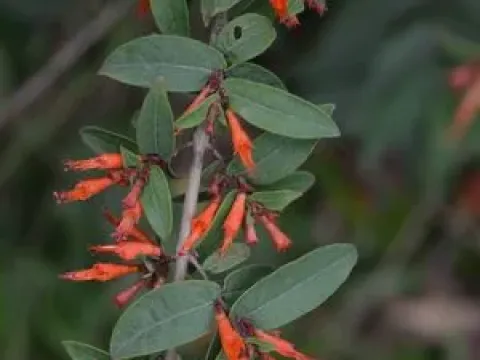
Woodfordia is a genus of flowering plants belonging to the Lythraceae family. The most prominent species, Woodfordia fruticosa, is a deciduous shrub prized for its dense clusters of bright, fire-red or orange-red flowers that appear along its branches.
What the section contains

Woodfordia
The plant originates from the tropical and subtropical regions of Asia and East Africa. It thrives in diverse environments ranging from open woodlands to rocky slopes, showing strong adaptability to various light conditions.
Regarding soil requirements, Woodfordia prefers well-drained, fertile substrates. While it can tolerate slightly nutrient-poor soil, organic fertilization during the active growing season significantly enhances its blooming capacity.
The climate must be frost-free for outdoor cultivation. The ideal temperature range is between 20°C and 30°C. In regions with cool winters, this plant is typically cultivated in pots and moved indoors to ensure its survival.
Woodfordia is extensively utilized in traditional medicine, particularly in India, where its dried flowers are used for their astringent properties. Additionally, it serves as an ornamental plant in landscapes, providing a vivid splash of color to gardens and parks.
Woodfordia is generally robust, but it can be susceptible to powdery mildew if grown in conditions with poor air circulation and high humidity.
Common pests include spider mites and scale insects, which tend to infest the undersides of leaves and young stems during hot, dry spells of weather.
Root rot is a major threat if the soil remains waterlogged for extended periods. Ensuring good drainage is the most effective preventative measure against this pathology.
Regular maintenance, including pruning of old or diseased wood, helps maintain the plant's health and reduces the surface area for potential fungal infections.
If chemical interventions are necessary, gardeners should use systemic insecticides that are safe for ornamental plants to avoid damaging the foliage and delicate flowers.