
Scurrula
Scurrula
Scurrula is a genus of evergreen semi-parasitic shrubs within the Loranthaceae family. These plants are known for their habit of growing on the branches of other trees, utilizing specialized root-like structures called haustoria to tap into the host plant's xylem to obtain water and essential mineral nutrients.
What the section contains


Scurrula
The native range of the genus is primarily concentrated in the tropical and subtropical regions of Asia. They are frequently found in the diverse forest ecosystems of India, the Himalayas, and Southeast Asia, where high atmospheric humidity supports the germination and establishment of these epiphytic shrubs.
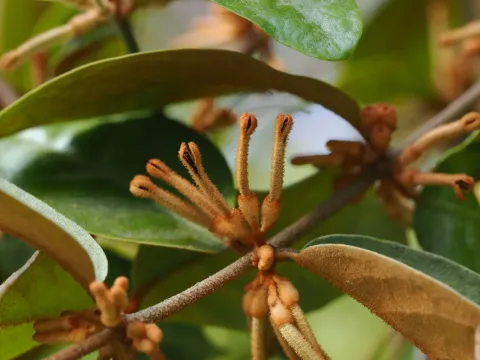
Botanically, Scurrula species are characterized by their opposite, leathery leaves and tubular flowers, which are often arranged in small clusters. Their fruits are berries covered in a sticky, mucilaginous layer, a biological adaptation that ensures the seeds adhere to the branches of the host tree when dispersed by birds.
Regarding ecological requirements, Scurrula depends on a steady supply of moisture and the presence of suitable host trees. While they possess chlorophyll and are capable of photosynthesis, their reliance on the host's vascular system necessitates a climate that prevents excessive dehydration of both the parasite and its host.
In terms of human use, certain species within the Scurrula genus have long been utilized in traditional medicine systems across Asia. They are often processed to create herbal tonics, which are historically believed to possess anti-inflammatory and health-restorative properties for various physical ailments.
The primary threat to Scurrula populations is the extensive deforestation of their natural habitats. As these plants are obligate parasites on specific tree hosts, the loss of biodiversity in Asian forests directly results in a decline in the abundance of these interesting semi-parasitic botanical specimens.
In agricultural settings, Scurrula is often viewed as a pest because it can stunt the growth and reduce the yields of fruit trees. Effective management strategies involve the pruning of infected branches to clear the canopy and minimize the nutrient drain caused by the parasitic growth.