
Lotus purshianus
Lotus purshianus
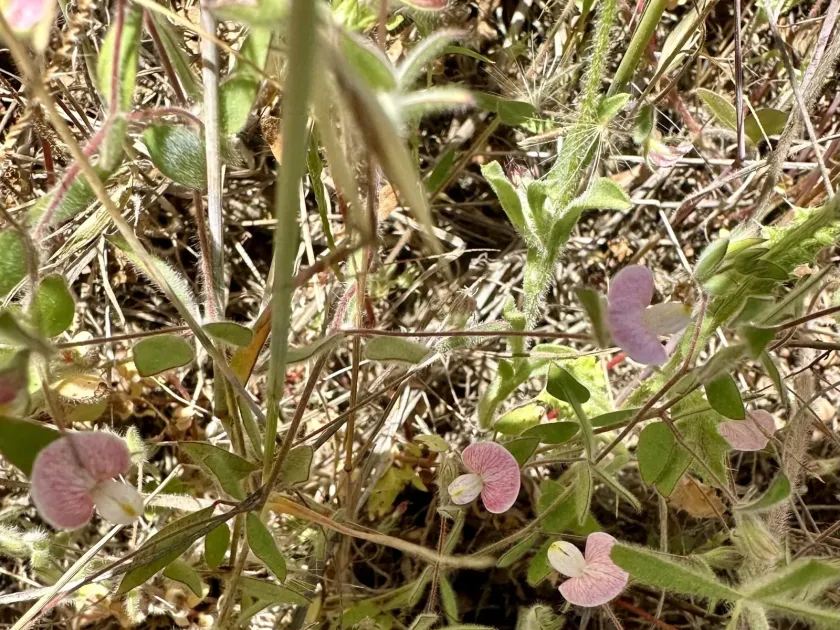
Description
Sowing dates
Lotus purshianus is an annual legume species that requires specific attention during the sowing phase to ensure optimal establishment. The seeds should be sown in early spring, once the soil has sufficiently warmed to promote rapid germination.
Given the hard coat of the seeds, scarification is a highly recommended practice to increase germination rates. This process allows water to penetrate the seed coat more effectively, leading to more uniform emergence of seedlings across the field.
The sowing depth is crucial and should be maintained between 1 and 2 centimeters. Shallow planting ensures that the seeds have enough energy to emerge before exhausting their internal reserves, which is vital for the survival of the plantlets.
When grown for green manure, seeds are typically broadcast or drilled in narrow rows to maximize ground cover. Dense stands effectively suppress competitive weeds during the early growing season, reducing the need for chemical herbicides.
In rows designed for seed production, spacing should be set between 30 and 45 centimeters to provide sufficient room for development. This spacing improves light penetration and aeration, essential for reducing fungal disease risk throughout the reproductive stage.
Growing requirements
This species is highly adaptable to various soil types but thrives best in light, well-drained, sandy or gravelly soils. It is particularly noted for its ability to grow in nutrient-poor environments where other legumes might fail.
Lotus purshianus is a sun-loving plant that requires full exposure to thrive. Shade significantly reduces the biomass production and the ability of the plant to produce high-quality seeds, which is detrimental to overall yield.
Moderate drought tolerance is a key characteristic of this legume, making it a viable option for regions with intermittent rainfall. However, consistent moisture during the seedling and flowering stages is necessary to maximize productivity.
The optimal pH range for this crop is slightly acidic to neutral. While it can handle a variety of soil conditions, it is sensitive to waterlogged environments where oxygen deficiency in the root zone can rapidly cause plant decline.
A major biological advantage is its capacity for nitrogen fixation through symbiotic relationships with bacteria. This property enhances soil fertility, making it an excellent candidate for inclusion in sustainable crop rotations to reduce nitrogen input.
Yield
The primary use of Lotus purshianus is as a high-protein forage crop for livestock or as a beneficial green manure cover crop. When harvested at the right time, it provides excellent nutritional value for grazing animals.
As a green manure, the crop is incorporated into the soil to improve organic matter content and soil structure. This practice increases the water-holding capacity and fertility of the soil, benefiting the subsequent planting of primary cash crops.
Seed harvesting requires precision, as the pods are prone to dehiscence at maturity. Farmers must monitor the crop closely and harvest when the pods begin to brown to minimize seed losses caused by natural shattering.
The plant also serves as an important pollinator resource, producing nectar that supports local honeybee populations. Integrating this legume into agricultural systems can provide multiple ecosystem services alongside traditional crop benefits.
Overall profitability depends on minimal input requirements, as the plant generally thrives without heavy fertilization or pesticide usage. Efficient management of the crop cycle and timely intervention for weed control remain the most critical success factors.
Main diseases and pests
The plant is generally resilient, but excessive humidity can lead to fungal issues such as powdery mildew. Proper field ventilation and avoiding overly dense plantings remain the primary preventative strategies to maintain crop health.
Pests such as aphids and various weevils can cause damage to foliage and reproductive organs. Regular field scouting is necessary to determine if threshold levels are reached, necessitating specific integrated pest management actions.
Root rot represents a significant threat in poorly drained soils where standing water occurs. Ensuring proper soil preparation and drainage before sowing is essential to mitigate the risk of pathogen accumulation in the root system.
Disease outbreaks can also be linked to poor crop rotation practices. Farmers should adhere to a diverse rotation schedule, avoiding the replanting of the same legume species on the same field for at least three to four years.
Mechanical damage during maintenance can also create entry points for opportunistic infections. Careful handling of agricultural equipment is recommended to maintain the integrity of the plant tissues and ensure robust growth throughout the season.