
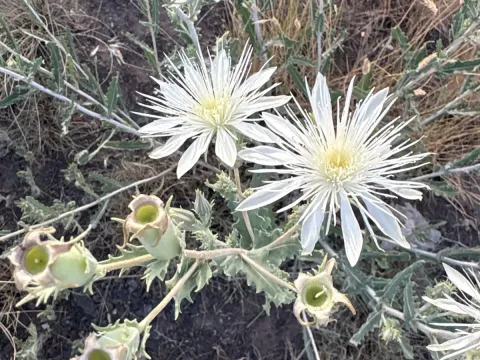
Mentzelia nuda
Mentzelia nuda
Mentzelia nuda, commonly known as the blazing star, belongs to the Loasaceae family and is well-adapted to semi-arid environments. Sowing should occur in spring once the danger of severe frost has passed and soil temperatures consistently exceed 18 degrees Celsius.
What the section contains
Mentzelia nuda
The seeds require light to germinate effectively, so they should be sown on the surface of the soil or covered only with a very thin layer of sand. Keeping the growing medium consistently moist but not waterlogged is critical during the first two weeks of germination.
When starting seeds indoors, use deep cell trays to accommodate the developing taproot. Transplanting should be done carefully and early, as the plant does not respond well to root disturbance once it matures.
Space the plants approximately 30 to 45 centimeters apart to allow for proper airflow and root expansion. Crowding can lead to stunted growth and increased humidity levels around the foliage, which the plant dislikes.
For outdoor sowing, prepare a bed with excellent drainage. If the native soil is heavy, incorporate organic matter and grit to ensure that water can move away from the seed zone rapidly.
Mentzelia nuda thrives in full sun exposure. It requires at least six to eight hours of direct sunlight daily to produce its signature evening-blooming flowers and maintain robust stems.
The plant is a classic xerophyte, meaning it is highly adapted to soils with low moisture retention. Sandy, loamy, or rocky soils are ideal, provided they offer perfect drainage throughout the growing season.
Temperature tolerance is a defining characteristic of this species. It handles high summer heat without stress, provided the root system is well-established and the surrounding mulch prevents excessive evaporation.
Nutritional needs are modest. Avoid over-fertilizing with high-nitrogen products, as this will lead to succulent, weak stems that are susceptible to lodging and pests. A low-nutrient, slightly alkaline soil profile is preferred.
Regular monitoring of water levels is necessary in a container or nursery setting. Once established in the field, Mentzelia nuda can survive on minimal rainfall, making it a low-input crop for dry regions.
The primary threat to Mentzelia nuda is the development of fungal infections caused by excessive moisture. Root rot is a common issue if the planting site is poorly drained or if mulch is placed too close to the stem base.
Spider mites are the most frequent pests, especially during prolonged heatwaves with low humidity. These pests feed on the leaves, causing chlorosis and a general decline in the plant's overall health.
Aphids can also colonize the growing tips and developing buds. Regular inspection of the plant's terminal ends can help detect infestations early before they require more intensive control measures.
Weed management is vital during the early establishment phase. The plant is a poor competitor against aggressive grasses and broadleaf weeds that may steal nutrients and water from the root zone.
To prevent disease transmission, avoid overhead watering. Use drip irrigation or base-watering methods to keep the foliage dry and reduce the likelihood of mildew and other surface-borne pathogens.