
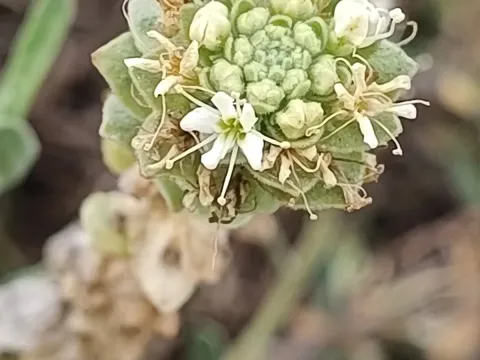
Petalonyx
Petalonyx
Petalonyx is a genus of perennial herbs and subshrubs belonging to the Loasaceae family. Native to the arid regions of the southwestern United States and Mexico, these plants are highly specialized for surviving in desert environments characterized by prolonged heat and minimal rainfall.
What the section contains

Petalonyx
Botanically, Petalonyx is recognized by its rough, glandular-pubescent foliage, which helps the plant retain moisture and reflect intense solar radiation. The flowers are distinctive, featuring unique structures that allow for efficient pollination by specialized desert insects.
To cultivate Petalonyx successfully, it is essential to replicate its natural habitat: extremely well-draining, sandy, or rocky soil. The plant is intolerant of heavy, clay-based soils that retain moisture, as these quickly lead to physiological stress and root death.
The climate requirements involve full sun exposure and warm temperatures. Petalonyx thrives in open, airy conditions where there is low humidity, as high atmospheric moisture can interfere with its natural adaptation mechanisms and lead to fungal outbreaks.
In terms of agricultural and horticultural use, Petalonyx is primarily utilized in xeriscaping—landscaping that eliminates the need for supplemental irrigation. It serves as an excellent stabilizer for loose, sandy soils, preventing wind erosion in arid landscapes.
The most significant threat to Petalonyx is waterlogging, which is almost invariably fatal. Excessive irrigation or poor drainage in the root zone leads to rapid decay caused by various soil-borne pathogens and root rot fungi.
While the plant is naturally resistant to many pests due to the dense, rough hairs covering its leaves, it can occasionally be attacked by specific desert insects. Monitoring for infestation is advised during the peak growing season to maintain plant vigor.
Fungal pathogens such as powdery mildew represent a secondary risk, typically manifesting only in environments with poor air circulation or excessively high humidity. Proper spacing and placement in an open area are the most effective cultural controls for these issues.
Competition from fast-growing, non-native weeds poses a severe threat during the establishment phase of Petalonyx. Because the plant grows slowly in its early stages, it requires careful weeding to ensure it can establish a robust root system.
Seed set can be inconsistent in non-native environments due to the absence of specific native pollinators required for effective fertilization. In controlled horticultural settings, supplemental efforts may be needed to ensure genetic propagation.