
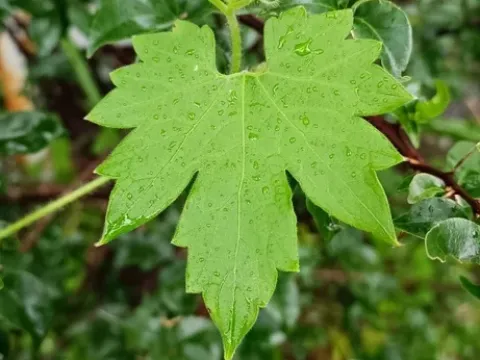
Gronovia
Gronovia
Gronovia seeds should be sown in well-warmed soil once the risk of frost has passed completely. As a warm-climate species, the timing of sowing is critical to ensure proper germination and subsequent development.
What the section contains

Gronovia
Pre-treatment of seeds, such as cold stratification, can improve germination rates for many species within this genus. Sowing depth should remain shallow, as the seeds often require light to trigger the sprouting process.
For greenhouse cultivation, starting seeds indoors in late winter allows for a longer growing season. Providing supplementary lighting is essential to prevent etiolation in young, emerging seedlings.
Spacing requirements are vital due to the vining nature of the plants. Allowing at least 45 to 50 centimeters between plants ensures adequate air circulation and reduces the risk of leaf diseases.
Post-emergence care involves maintaining consistent moisture without waterlogging. Protecting young seedlings from direct, intense sunlight in their first weeks is recommended until they become established.
The genus Gronovia, part of the Loasaceae family, naturally thrives in tropical and subtropical regions. It prefers high-light environments and thrives when planted in locations that provide protection from strong winds.
Soil quality is paramount; these plants require well-draining, loose substrates rich in organic matter. Sandy-loam textures are ideal, as they prevent the roots from sitting in stagnant water, which the plant is highly sensitive to.
Climate requirements include stable, warm temperatures typically ranging from 20 to 28 degrees Celsius. Significant temperature fluctuations can stunt growth or lead to plant tissue damage.
Regular fertilization with balanced NPK nutrients is encouraged during the primary growth phase to support the production of lush foliage. Soil moisture should be monitored closely, especially in high-heat conditions.
Providing structural support such as trellises or netting is an essential agrotechnical practice. Since Gronovia plants exhibit climbing behavior, vertical gardening improves sunlight exposure and overall plant vigor.
Common pests affecting Gronovia include spider mites and aphids, both of which prefer the warm, sheltered environments where these plants thrive. Early detection is crucial to prevent rapid infestation.
Root rot represents the most significant fungal threat, usually arising from poor drainage or overwatering. Maintaining soil aeration and proper drainage channels is the primary method of preventing this condition.
Powdery mildew may occur if the plants are placed in areas with insufficient airflow or high humidity. Fungicidal treatments or improved environmental conditions are effective strategies for management.
Integrated pest management (IPM) practices, including the removal of infested leaves and the use of natural predators, help maintain plant health without heavy reliance on synthetic pesticides.
Routine sanitation of the growing area helps minimize the pressure from pathogens and insects. Keeping the soil surface clear of debris limits potential niches for pests to overwinter or propagate.