
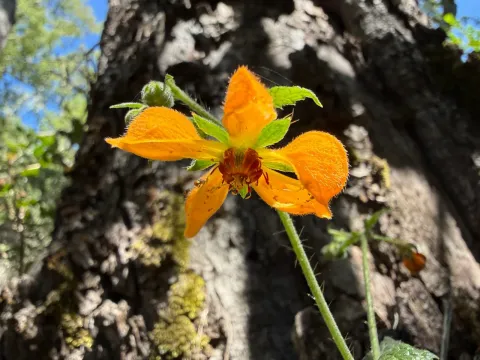
Loasa
Loasa
Sowing Loasa seeds in temperate regions is best performed in late winter or early spring within a greenhouse environment. Seeds should be sown in a lightweight, well-draining medium and not buried deeply, as many species require light to trigger germination.
What the section contains
Loasa
Maintaining a soil temperature of 20–22 degrees Celsius is crucial for consistent and uniform sprouting. Seedlings should be pricked out when the first true leaves emerge, transplanting them into individual containers to protect their delicate root systems during the transition.
Transplanting into the open ground should only occur after the final frost risk has passed. The plants are extremely sensitive to cold temperatures, and premature planting can lead to stunted growth or total failure of the crop.
Direct sowing in the field is only feasible in regions with long, warm growing seasons. The soil must be pre-conditioned to ensure it is loose, friable, and capable of promoting rapid initial development of the root system.
A planting density of 40 to 50 centimeters between individual plants is recommended to facilitate adequate air circulation. Preventing overcrowding is essential for the long-term health and structural integrity of the plants.
Loasa is a genus belonging to the Loasaceae family, native primarily to Central and South America. These herbaceous plants are noted for their unique floral anatomy and the presence of stinging hairs on their leaves and stems.
The plants require high light intensity to thrive; therefore, they should be located in full sun. Protection from strong winds is necessary, as the stems are relatively fragile and prone to damage if not supported properly.
Soil quality is paramount, requiring a fertile, well-draining substrate. Waterlogged conditions are detrimental to the root system, so sandy or gritty soil mixtures are preferred to ensure rapid moisture drainage.
Irrigation should be managed carefully, allowing the top layer of soil to dry out between watering sessions. Over-irrigation is a common cause of failure in Loasa cultivation, often leading to physiological stress and root death.
Fertilization with a balanced, low-nitrogen compound fertilizer during the active growing season will promote better flowering. Avoiding excessive nitrogen is important to prevent overly vegetative growth at the expense of blossom production.
Sucking pests such as aphids and spider mites are the primary threats to Loasa, particularly in warm, dry weather. Regular monitoring and the application of suitable insecticides or miticides are necessary to control these infestations.
High humidity combined with poor airflow often predisposes the plants to root rot and fungal infections. Maintaining proper spacing and ensuring excellent ventilation around the foliage can significantly mitigate these risks.
Powdery mildew is a common issue when temperature fluctuations are significant. Infected plant material should be removed immediately, and preventative treatment with systemic fungicides can protect the remaining foliage.
Slugs and snails can cause significant damage to young seedlings by grazing on the succulent tissues. Using protective barriers or molluscicides around the base of the plants is recommended to ensure high survival rates.
Due to the urticating (stinging) hairs present on the stems and leaves, all cultivation activities must be carried out wearing protective gloves. Contact with these hairs can cause painful irritation to human skin.