
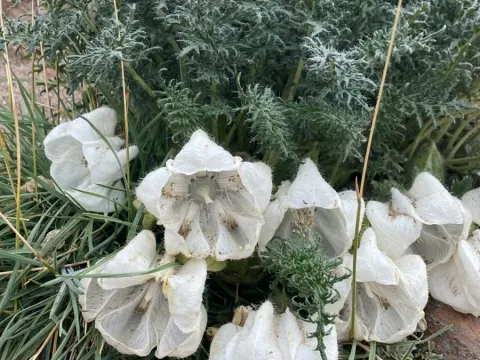
Caiophora
Caiophora
Sowing Caiophora seeds requires careful attention to environmental conditions. It is best to start seeds in a greenhouse or indoors during late winter, ensuring the soil temperature remains consistently between 20 and 22 degrees Celsius.
What the section contains

Caiophora
The seeds should be sown on the surface of a light, well-draining potting mix, as they require light to germinate effectively. Covering them too deeply with soil will significantly inhibit the germination process and lead to poor seedling development.
Once the seedlings develop two true leaves, they should be transplanted into individual pots to avoid root crowding. This step is crucial for establishing a robust root system before the final planting in the open ground once the threat of frost has passed.
Acclimatization of the seedlings before outdoor planting is highly recommended. Gradually exposing them to outdoor conditions over a week helps prevent transplant shock and strengthens the stalks against natural elements.
When planting in open fields or garden beds, spacing should be carefully maintained to allow for adequate airflow. A gap of at least 40 centimeters between plants promotes healthy growth and reduces the risk of moisture-related issues.
Caiophora is a genus within the Loasaceae family, native to high-altitude Andean regions. It thrives in environments that mimic its natural habitat, requiring plenty of indirect or direct sunlight and moderate temperatures to reach its full potential.
The ideal soil for Caiophora should be loose, rich in organic matter, and possess excellent drainage properties. Soils that are too heavy or prone to waterlogging will cause the roots to suffocate, eventually leading to the death of the plant.
Watering management is a delicate balance. While the plants appreciate consistent moisture, the soil surface should be allowed to dry slightly between waterings to prevent root rot. During peak summer, early morning irrigation is the most efficient method.
Because the stems have a natural tendency to climb, providing physical support is essential for vertical growth. Trellises, stakes, or netting help the plant exhibit its unique structure and ensure the foliage receives optimal light exposure.
- Soil pH range: Slightly acidic to neutral (6.0–7.0).
- Sunlight requirement: Full sun to light partial shade.
- Fertilization: Balanced NPK fertilizer during the vegetative growth phase.
- Temperature range: 15°C to 25°C for optimal performance.
Spider mites are the most common pests affecting Caiophora, particularly in hot and dry climates. These pests feed on the foliage, creating fine webbing and causing the leaves to yellow and wither prematurely if not controlled.
Fungal diseases like powdery mildew can appear when plants are crowded or have insufficient ventilation. Improving the spacing and ensuring good airflow around the canopy are the best preventive measures to keep the foliage clean.
Root rot is often the result of poor soil drainage or over-fertilization. It is vital to use high-quality potting media and ensure that all containers have drainage holes to prevent the accumulation of excess water around the root ball.
Aphids can also pose a threat by clustering on new, tender growth. Regular monitoring and the application of insecticidal soaps or neem oil are effective ways to manage aphid populations without harming the plant's delicate tissues.
Soil-borne nematodes may occasionally become an issue in established garden beds. Rotating planting sites and using sanitized soil for the initial seedling phase are effective strategies to prevent widespread infestation and ensure plant vigor.