
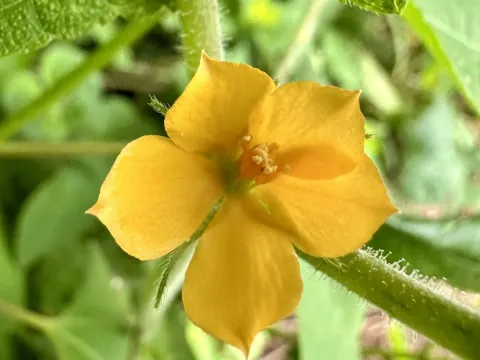
Mentzelia aspera
Mentzelia aspera
Mentzelia aspera, a member of the Loasaceae family, is an annual herbaceous plant that requires careful timing for sowing. Seeds should be planted only after the threat of frost has passed, as the seedlings are highly sensitive to cold temperatures.
What the section contains
Mentzelia aspera
Optimal soil preparation is essential for successful germination. The seedbed should be finely tilled, and seeds should be sown at a shallow depth of 0.5 to 1 cm to ensure they have enough warmth and oxygen to initiate growth.
Row planting is recommended for standardized crop management. This approach allows for consistent plant spacing, which is crucial for maximizing light penetration and air circulation throughout the growing cycle of the crop.
Sufficient moisture must be maintained during the initial stages of seedling development. If natural rainfall is insufficient, irrigation should be applied cautiously to prevent washing away the small seeds while keeping the soil consistently damp.
Crop rotation should be practiced to maintain soil fertility and reduce the potential buildup of soil-borne pathogens. Incorporating organic matter into the soil prior to sowing can significantly improve nutrient availability for the growing plants.
This species thrives in areas with high solar radiation, which is necessary for the development of its characteristic rough, stinging trichomes. Full sun exposure is the primary requirement for healthy, robust growth.
Mentzelia aspera prefers well-drained, sandy or gravelly soil types. Because the plant is native to arid and semi-arid environments, it has a very low tolerance for waterlogged conditions, making drainage a top priority.
The plant exhibits excellent drought tolerance once established, making it suitable for low-water cultivation strategies. It is highly capable of surviving extended periods of high heat provided that the root system remains viable.
Nutrient management should focus on maintaining a balanced profile. While the plant can grow in nutrient-poor soils, modest amounts of potassium and phosphorus can improve overall structural integrity and reproductive potential.
The ideal temperature for active metabolic processes ranges from 22 to 30 degrees Celsius. Sudden drops in temperature or persistent damp, cold weather can lead to physiological stress and significantly stunted plant development.
Root rot is the most common threat when the soil remains too wet for extended periods. To mitigate this risk, irrigation must be strictly controlled, and the use of porous, fast-draining soil mixes is recommended.
Powdery mildew can impact foliage if air circulation is poor or humidity levels remain high around the plant base. Regular monitoring and removing infected plant tissue are key steps in preventing the spread of the fungus.
Aphids are frequent pests that target the tender terminal growth of the plants. Early detection allows for physical removal or the application of insecticidal soaps, which are effective in controlling populations without harming beneficial insects.
Spider mites may become a concern during hot, dry summer months. These pests thrive in arid conditions and can cause significant foliage damage if left unchecked, often appearing as fine webbing or speckled leaves.
Weed management is vital, as invasive weeds compete for light and nutrients and can serve as hosts for various plant diseases. Maintaining clean rows is a fundamental aspect of healthy agronomy for this species.