
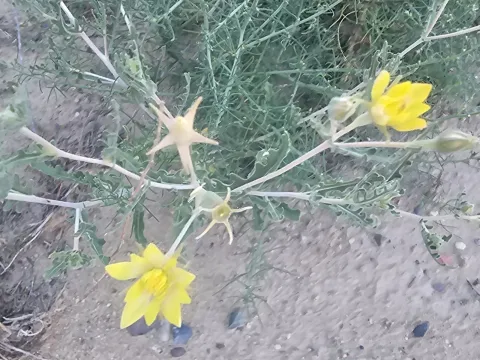
Mentzelia multiflora
Mentzelia multiflora
Mentzelia multiflora seeds should be sown in late spring after all danger of frost has passed and the soil has reached a consistently warm temperature.
What the section contains
Mentzelia multiflora
Surface sowing is recommended as the seeds are quite small and require exposure to light to trigger the germination process effectively.
It is crucial to choose a planting site with excellent drainage to prevent the seeds from rotting during the critical early development phase.
When starting indoors, use biodegradable pots to minimize root disturbance, as this species possesses a deep taproot that dislikes being moved.
Space the plants approximately 12 to 16 inches apart to allow for proper airflow and to prevent competition for limited soil nutrients.
This species belongs to the Loasaceae family and is well-adapted to the harsh, arid environments of the southwestern United States and Mexico.
The plant thrives in nutrient-poor, rocky, or sandy soil types that mimic its natural habitat in scrublands and desert flats.
Full sun exposure is a mandatory requirement for this plant; any shade will result in spindly growth and poor flower production.
Once established, the plant exhibits remarkable drought tolerance and requires very little supplemental water during the growing season.
Maintaining a low-humidity environment is beneficial, as high moisture levels often cause physiological stress in this desert-adapted plant.
The primary threat to the health of Mentzelia multiflora is over-irrigation, which quickly leads to root rot and total plant collapse.
In humid climates, the foliage is susceptible to powdery mildew, which can significantly damage the plant's aesthetic and photosynthetic ability.
Sucking insects, such as aphids and spider mites, may target the plants during extended dry spells, stressing the host plant.
Good cultural practices, such as removing surrounding weeds and ensuring proper spacing, are the best defenses against typical pests.
Avoid using heavy nitrogen fertilizers, as they encourage succulent, weak growth that is more susceptible to disease and pest infestation.