
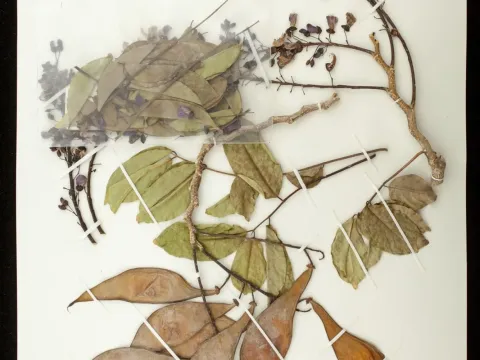
Lonchocarpus violaceus
Lonchocarpus violaceus
Lonchocarpus violaceus is a leguminous tree species (family Fabaceae) native to tropical regions. Propagation is typically achieved through seeds, which often require scarification to enhance germination rates and uniformity.
What the section contains
Lonchocarpus violaceus
Seeds should be sown in nursery containers filled with well-draining, nutrient-rich potting medium. The ideal timing for sowing is the onset of the rainy season, ensuring adequate moisture availability during the critical early development stages.
Transplanting into the permanent site occurs once seedlings reach a height of approximately 30 to 50 centimeters. Proper spacing between trees is essential to accommodate the development of the canopy and ensure optimal light penetration.
The optimal germination temperature ranges between 24 and 28 degrees Celsius. Protection from extreme weather conditions is necessary for young saplings to avoid stunted growth caused by temperature fluctuations.
Consistent watering during the first growing season is mandatory for successful establishment. As the root system matures, the plant becomes more resilient, but initial care determines the long-term vigor of the tree.
As a tropical species, this tree thrives in high-sunlight environments. It is primarily found in the Caribbean and parts of South America, preferring regions with stable, warm temperatures throughout the year.
Soil requirements focus on excellent aeration and drainage. Lonchocarpus prefers deep, fertile loams with a neutral or slightly acidic pH, as waterlogged conditions pose a significant threat to root health.
While mature trees show moderate drought tolerance, sustained growth requires regular hydration. Water scarcity can lead to significant reductions in biomass accumulation and overall tree health.
Exposure to strong, persistent winds can damage the branches of young trees, making sheltered planting sites preferable. Ample access to direct sunlight is crucial for effective photosynthesis and vigorous development.
Supplementing soil with organic matter or targeted fertilizers during the juvenile phase can accelerate growth. As a legume, it has the capacity for nitrogen fixation, which supports its development in less nutrient-dense tropical soils.
The primary agricultural output of Lonchocarpus violaceus is its high-quality timber. The wood is renowned for its durability, density, and natural resistance to decay, making it a valuable resource for construction and furniture making.
Yield metrics are based on the volume of usable timber produced over a rotation period. Given its slow growth rate compared to fast-growing plantation species, the economic cycle is long-term, focused on quality rather than rapid turnover.
Beyond timber, the species serves an ecological role as a source of nectar for local pollinators. The mass flowering events contribute to the overall biodiversity of the plantation environment.
Harvesting is typically planned when trees reach technical maturity. Sustainable forest management practices involve selective harvesting to ensure the continuous regeneration of the stand and maintain soil health.
The leaf litter from the trees acts as a natural fertilizer, enriching the topsoil with organic material. This makes the species an excellent candidate for inclusion in agroforestry systems where soil health is a priority.
Defoliating insects and caterpillars represent a frequent threat to young foliage. Regular scouting of the canopy is recommended to detect outbreaks before they impact the tree’s photosynthetic capacity.
Root rot is a common issue in poorly drained soils. Managing drainage systems and ensuring correct irrigation levels are the primary preventative measures against fungal pathogens affecting the root zone.
Wood-boring insects may infiltrate the trunks of mature trees, especially if the bark is damaged. Preventive measures include maintaining overall tree health and minimizing mechanical injuries to the stems.
Weed competition can significantly inhibit the growth of saplings by competing for soil moisture and nutrients. Regular weeding and mulching around the base of the trees are essential agricultural practices.
- Infestations of leaf-eating insects.
- Root fungal infections due to excessive soil moisture.
- Damage from wood-boring pests.