
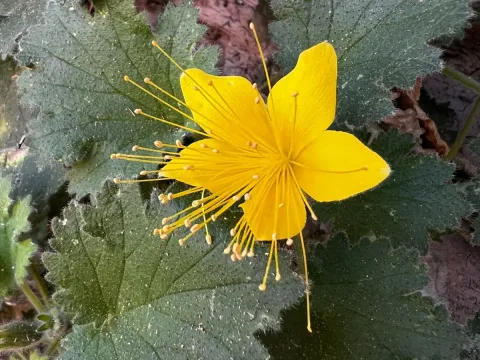
Eucnide
Eucnide
Sowing Eucnide seeds is best performed in early spring, using a well-draining, sandy-based seed starting mix for optimal germination.
What the section contains

Eucnide
Seeds should be surface-sown or covered with a very thin layer of substrate, as they often require light to germinate effectively.
Keep the planting containers in a warm location, ideally maintaining temperatures between 20 and 24 degrees Celsius throughout the process.
Seedlings need to be transplanted with caution once they develop at least two pairs of true leaves to avoid damaging the sensitive taproot.
Ensure that the containers have ample drainage holes to prevent moisture accumulation, which can be detrimental to the young plants.
Eucnide belongs to the Loasaceae family, a group of plants native to the arid and semi-arid regions of Mexico and the Southwestern United States.
These plants thrive in full sun exposure and require soil that mimics their native environment, characterized by excellent porosity and low organic matter.
Watering management is crucial; it is important to allow the soil to dry out significantly between watering sessions to mimic natural desert cycles.
Fertilization should be handled sparingly, focusing on low-nitrogen formulations that encourage flower production rather than excessive leafy growth.
The plant demonstrates high tolerance to heat and intense sunlight, making it suitable for rock gardens or arid landscape designs.
The primary threats to Eucnide include various types of root rot, typically caused by excessive irrigation or poor drainage in the potting medium.
Pests such as aphids or spider mites can sometimes inhabit the foliage, especially in conditions where air circulation is restricted.
Powdery mildew may develop if the plant is subjected to high humidity and poor airflow, which are counter-productive to the health of this species.
Regular monitoring of the foliage and physical removal of pests, combined with proper spacing, are the most effective preventive measures.
If chemical intervention becomes necessary, use gentle horticultural soaps or systemic pesticides suitable for ornamental crops to avoid damage.