
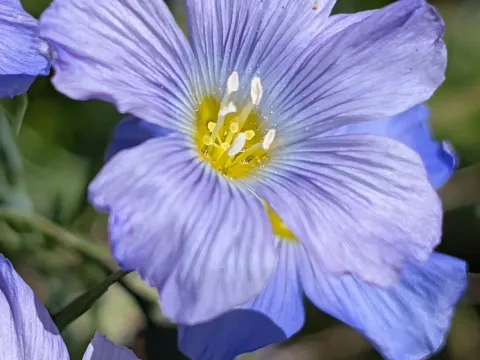
Alpine flax
Linum alpinum
Alpine flax (Linum alpinum) is a herbaceous perennial belonging to the Linaceae family. It is widely cultivated for its delicate, sky-blue flowers that bring a touch of mountain meadows to rock gardens and borders.
What the section contains
Alpine flax
Seeds should be sown in the spring as soon as the soil can be worked. Alternatively, sowing in the autumn allows the seeds to undergo natural stratification, which often results in more vigorous spring germination.
When starting indoors, use a well-draining seed-starting mix. Keep the temperature around 15 to 20 degrees Celsius, and ensure the seeds are only lightly covered with soil as they require some light to germinate effectively.
Transplanting seedlings to their permanent outdoor location should occur once the danger of hard frost has passed. Space individual plants at least 25 centimeters apart to ensure adequate airflow.
Patience is required during the initial establishment phase, as the root system develops slowly. Proper spacing and minimal root disturbance are key to successfully growing this species in a garden setting.
This species is well-adapted to high-altitude conditions, necessitating a location with full, direct sunlight. Shade-grown plants often become leggy and produce significantly fewer flowers.
The ideal soil for Alpine flax is gritty, lean, and highly permeable. It thrives in soils that mimic mountain conditions, such as rocky or sandy substrates with a neutral to slightly alkaline pH.
Excellent drainage is the most critical requirement for long-term survival. Heavy or clay-based soils should be amended with gravel or sharp sand to prevent the roots from becoming waterlogged, which is the primary cause of plant death.
Alpine flax is exceptionally cold-hardy, capable of surviving harsh winters typical of its native mountain habitat. It generally does not require winter protection in temperate climate zones.
Once established, the plant is remarkably drought-tolerant. Irrigation should be applied only during prolonged dry spells, as excess moisture in the summer can lead to root rot and premature decline.
The most common health issues for Alpine flax are fungal infections caused by poor air circulation or overwatering. Root rot and damping-off are the primary threats that can devastate a planting site.
Pests like the flax flea beetle can target young foliage. Monitoring for small, irregular holes in the leaves is important in early spring, as these indicate the presence of insects that need to be managed.
Aphids can occasionally cluster on the flower stalks, draining sap and weakening the plant. If infestation levels are low, a sharp stream of water or insecticidal soap is usually sufficient for control.
Preventative measures include avoiding overcrowding and ensuring the planting site has a slope or gravel layer that facilitates quick water runoff after rain events.
Maintaining a clean garden bed by removing dead plant debris at the end of the season helps reduce the overwintering sites for potential pathogens and insect pests, keeping the garden healthy.