
Gustavia hexapetala
Gustavia hexapetala
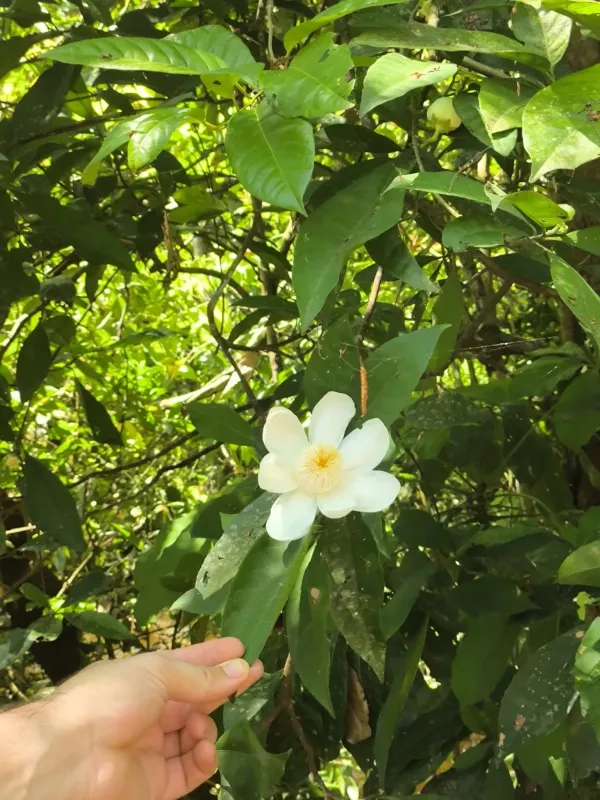
Description
Growing requirements
Gustavia hexapetala belongs to the Lecythidaceae family, a group of tropical trees primarily found in the rainforests of South America. It is a slow-growing evergreen tree that typically thrives in high-humidity environments.
The plant requires consistently warm temperatures throughout the year. It does not tolerate frost, and even minor temperature drops can cause significant physiological stress to the tree.
Optimal growth is achieved in well-draining, nutrient-rich soils that retain moisture without becoming waterlogged. High organic content is essential for supporting the tree's development.
This species is shade-tolerant in its native habitat, growing under the forest canopy. In cultivation, it requires filtered light or shade to prevent leaf scorch and ensure healthy vegetative growth.
Agrotechnical management includes maintaining high air humidity and providing shelter from strong winds that can tear the large, leathery leaves characteristic of the species.
Yield
The fruits of Gustavia hexapetala are edible and utilized by local communities. They serve as a food source, often consumed fresh, reflecting the ethnobotanical value of the species.
The wood of this tree is known for its density and durability. It is historically used in local construction and for crafting various wooden tools and items.
The tree serves an important ornamental function in tropical landscapes, producing large, showy, and fragrant flowers that are highly attractive to local pollinators.
Some indigenous groups utilize various parts of the plant in traditional medicine, suggesting potential chemical compounds of interest for future botanical research.
Overall economic yield is currently restricted to local subsistence usage, as the plant is not yet adapted for large-scale agricultural exploitation.
Main diseases and pests
Fungal pathogens represent the most significant threat to Gustavia hexapetala, especially in conditions where air circulation is poor or humidity is excessively high.
Sap-sucking insects, such as scale insects and mealybugs, are frequent pests that colonize the branches and undersides of leaves, weakening the overall structure of the tree.
Root rot is a critical concern, usually resulting from inadequate drainage or over-irrigation, which can lead to rapid decline if not addressed promptly.
Pest management relies on integrated methods, including proper spacing of plants and the use of natural horticultural oils to mitigate insect populations.
Regular monitoring and sanitization of the planting area are essential to prevent the accumulation of pests and diseases that thrive in tropical climates.