
Gustavia speciosa
Gustavia speciosa
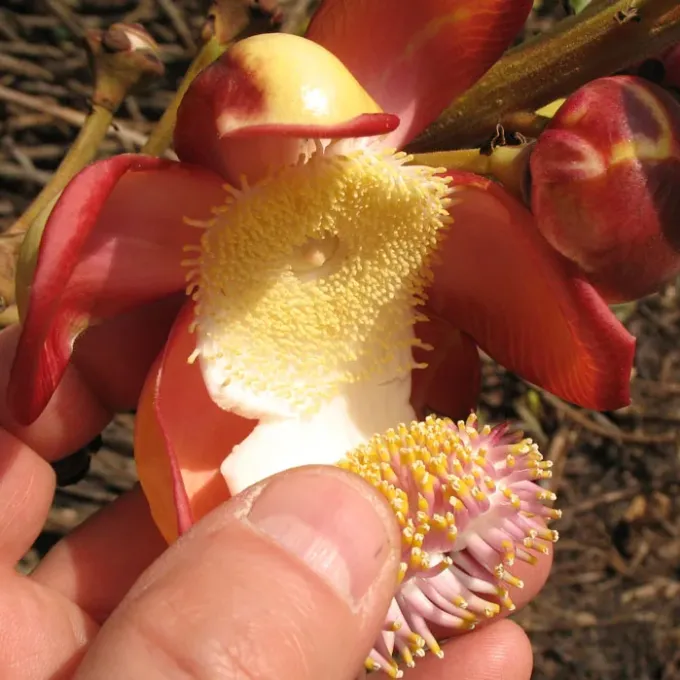
Description
Growing requirements
Gustavia speciosa is a distinctive evergreen tree belonging to the Lecythidaceae family. Native to the humid rainforests of South America, specifically in regions like Colombia, it thrives in warm and moist environments.
The plant requires high humidity and consistent tropical temperatures to maintain its metabolic processes. It is generally intolerant of frost, cold winds, and significant diurnal temperature fluctuations.
Soil requirements for this culture include nutrient-rich, organic-heavy, and well-draining substrates. It is essential to ensure that the planting site has excellent drainage to prevent root asphyxiation during periods of heavy rainfall.
Light exposure should be carefully managed; while Gustavia speciosa enjoys bright conditions, it prefers dappled or filtered sunlight, similar to the natural conditions found in the tropical understory.
Standard horticultural practices for this species include regular fertilization during the growing season and maintaining a consistent moisture level in the soil without allowing the roots to remain permanently waterlogged.
Yield
The primary use of Gustavia speciosa is ornamental. Its spectacular, large, and fragrant flowers attract significant attention in botanical collections and high-end tropical landscape design.
While the tree produces fruit in the form of woody capsules, its commercial food production potential is minimal. The seeds and fruits are mostly of interest for botanical research and local handicrafts.
The wood of the Lecythidaceae family is generally known for its density and durability, though specific exploitation of this species is minimal due to conservation concerns.
In terms of ecological services, the tree plays a vital role in local tropical ecosystems by providing resources for native pollinators and contributing to overall forest biodiversity.
Cultivation productivity is mainly measured by the health and aesthetic longevity of the specimens in parks and conservatories, rather than traditional agricultural yields.
Main diseases and pests
Gustavia speciosa is susceptible to common tropical pests such as mealybugs, scale insects, and various leaf-chewing caterpillars that can degrade its ornamental appearance.
Fungal pathogens often develop in humid conditions with poor air circulation. Symptoms typically include necrotic leaf spots and stem rot, which require prompt intervention with fungicides.
Root system health is paramount; over-watering is the leading cause of plant decline in containerized environments, often leading to secondary bacterial infections in the roots.
Integrated Pest Management (IPM) strategies are highly recommended to minimize the use of harsh chemicals, focusing instead on biological control and physical removal of pests.
Environmental stress, such as extreme dryness or lack of soil nutrients, makes the plant more vulnerable to secondary infections, highlighting the need for balanced fertilization programs.