
Gustavia superba
Gustavia superba
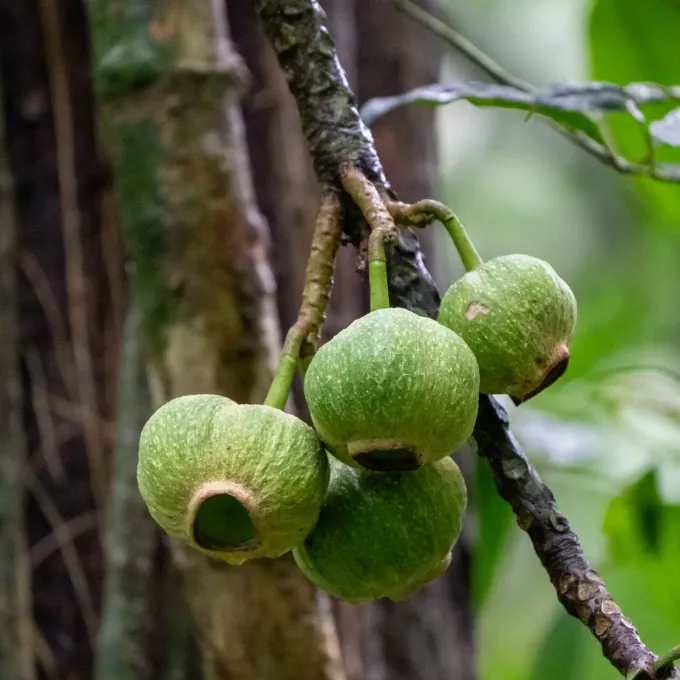
Description
Sowing dates
Propagation of Gustavia superba is primarily achieved through seeds, which must be planted shortly after harvest due to their short viability. Fresh seeds typically germinate within a few weeks if conditions are ideal.
The sowing process requires a moist, well-aerated medium composed of peat moss and perlite. Maintaining a consistent temperature between 25 and 30 degrees Celsius is crucial for successful seed germination.
Seeds should be covered with a thin layer of soil and kept in a high-humidity environment. Once seedlings develop their first set of true leaves, they should be carefully transplanted into larger containers.
Early stages of development are critical; therefore, seedlings should be shielded from direct sunlight and strong winds. Gradual exposure to outdoor conditions helps in hardening off the young trees.
Consistent care during the germination and initial growth phases significantly increases the survival rate and sets the foundation for a healthy, vigorous tree.
Growing requirements
As a member of the Lecythidaceae family, Gustavia superba thrives in warm, humid tropical rainforest climates. It is highly sensitive to frost and requires a frost-free environment throughout the year.
The soil should be deep, fertile, and rich in organic matter. Good drainage is essential, as the plant cannot tolerate waterlogged soils, which lead to root rot and other physiological issues.
Sunlight requirements change with age; while mature trees can handle full sun, younger saplings prefer partial shade to prevent leaf scorching. Dappled sunlight is often the ideal middle ground.
Watering must be regular and sufficient to keep the soil consistently moist but never soggy. In areas with distinct dry seasons, irrigation becomes mandatory to maintain the plant's metabolic activity.
The species also benefits from protection against strong winds, which can easily damage the large, delicate leaves. Planting in sheltered areas or using windbreaks can enhance overall plant health.
Yield
The primary agricultural interest in Gustavia superba lies in its edible fruits, which are consumed locally. These fruits are valued for their nutritional profile and unique culinary applications.
Harvesting usually involves collecting the fruits as they reach maturity, identified by changes in skin color and slight softening. Proper timing ensures the best texture and flavor for consumers.
The yield of the tree is influenced by soil nutrient availability and the consistency of the irrigation schedule. With proper management, trees can produce reliable annual harvests once they reach reproductive age.
Beyond fruit production, the tree's wood is recognized for its density, though its primary value remains in its horticultural and fruit-bearing potential within agroforestry systems.
Continued efforts in selecting superior clones may lead to increased fruit sizes and better yields, making this species a more viable option for small-scale tropical fruit production.
Main diseases and pests
The main pathological threats to Gustavia superba include various fungal infections, particularly those that thrive in high humidity and stagnant air. These can lead to leaf spots and stem rots.
Pests such as scale insects and spider mites are common nuisances. They feed on the sap of the tree, potentially causing stunted growth and yellowing of the foliage if left unchecked.
Managing these threats requires a proactive approach, including regular inspections and the prompt removal of infected leaves or branches to prevent the spread of pathogens.
Integrated pest management, including the use of neem oil or biological controls, is highly recommended to keep pest populations at bay without damaging the beneficial ecosystem of the farm.
Good agricultural practices, such as proper spacing to ensure adequate airflow and avoiding overhead irrigation, are the most effective ways to mitigate disease risks in tropical plantations.