
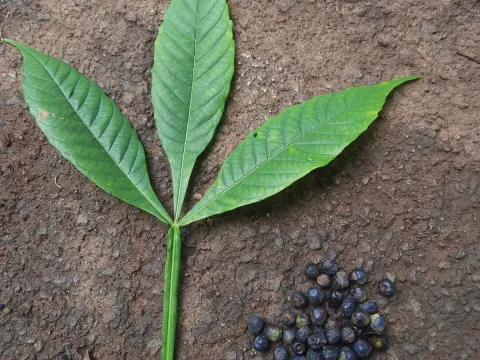
Vitex altissima
Vitex altissima
Vitex altissima is a prominent species within the Lamiaceae family, known for its substantial stature and high-quality timber. Originating from the tropical regions of India and Sri Lanka, it plays a vital role in local biodiversity and forestry industries.
What the section contains
Vitex altissima
This species thrives in tropical climates where the temperature remains consistently warm. It requires high humidity and well-distributed rainfall to reach its maximum growth potential, making it unsuitable for colder, temperate zones without controlled environments.
Regarding soil requirements, Vitex altissima prefers deep, fertile, and well-drained soils. The plant is highly sensitive to waterlogging, so selecting sites with excellent drainage is essential to prevent root asphyxiation and subsequent decay.
As a light-demanding species, it requires ample direct sunlight for photosynthesis and canopy development. In nursery settings, young saplings should receive partial shade to protect them from intense heat until they are sufficiently established.
Beyond its timber value, Vitex altissima is used for various industrial and ornamental purposes. Its wood is highly valued for furniture making and structural applications due to its durability, density, and resistance to environmental stress.
Fungal pathogens represent the primary biological threat to Vitex altissima, particularly in humid environments. These pathogens can cause stem and root rot, which negatively impact the structural integrity of the tree and its overall productivity.
Insects that target the cambium and xylem layers of the tree can significantly reduce the quality of the harvested timber. Effective pest management strategies, such as biological control and habitat monitoring, are vital for large-scale plantations.
Weed management is critical during the sapling stage to ensure the tree receives adequate water and nutrient access. Failure to control herbaceous vegetation can severely stunt the growth of young trees in the first few years of establishment.
Abiotic factors like high-velocity winds and soil erosion can pose risks to plantations. Implementing windbreaks and using sustainable soil management practices are recommended to protect the growth site from extreme weather events.
Maintenance of tree health involves regular inspection cycles to catch infestations early. Maintaining a diverse ecosystem around the cultivation site can help stabilize the population of natural predators that keep pest levels in check.