
Virginia water horehound
Lycopus virginicus
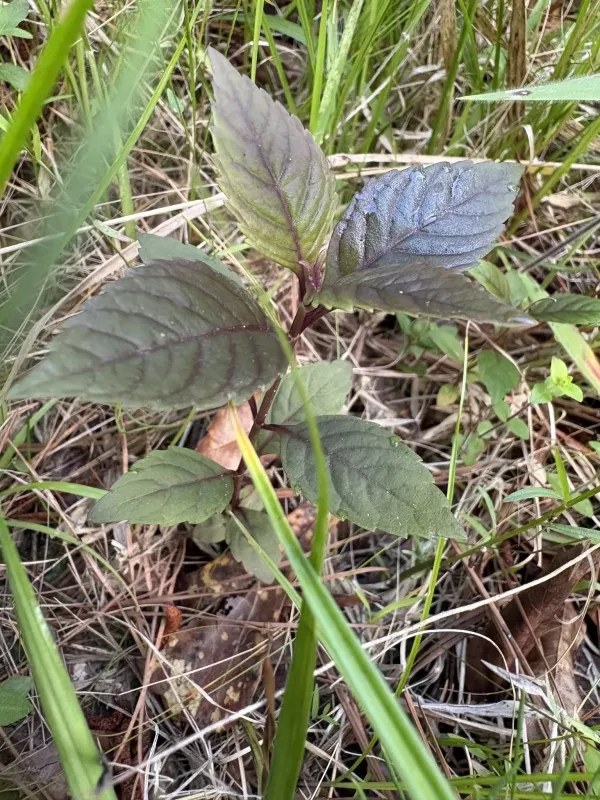
Description
Sowing dates
Virginia water horehound, known scientifically as Lycopus virginicus, is a perennial herb in the Lamiaceae family. Seeds are best sown in late autumn to allow for natural stratification, which improves germination rates in early spring.
Choose a site with fertile, moist soil to accommodate its natural preference for riparian or swampy habitats. Seeds should be sown at a shallow depth of approximately 0.5 centimeters, as they require light to stimulate successful germination.
Vegetative propagation via rhizome division is a highly effective commercial practice. Rhizome segments should be planted in early spring, spaced about 40 centimeters apart to ensure each plant has sufficient room for horizontal spread.
Proper bed preparation is essential; incorporating organic matter such as compost helps create the nutrient-rich, moisture-retentive substrate required for vigorous growth. Watering should be consistent during the establishment phase.
For those using nursery starts, transplanting should occur after the final frost. Careful handling of the root systems during transplanting significantly increases the survival rate and reduces stress on the young plants.
Growing requirements
This crop thrives in consistently moist, well-drained soils, ideally with a high organic content. While it prefers semi-shaded areas, it can tolerate more exposure to sun provided that soil moisture levels are strictly maintained.
The ideal soil pH for Lycopus virginicus ranges from 6.0 to 7.0. Soils that are too acidic or too alkaline can lead to nutrient deficiencies and weakened plant health, negatively impacting the concentration of active medicinal compounds.
Regular maintenance involves light hoeing between rows to prevent soil compaction and eliminate weed competition. Keeping the area free from invasive weeds is crucial, as the crop is not highly competitive during its early growth stages.
Mulching is highly recommended to conserve ground moisture and regulate soil temperature during hot summer months. Using straw or organic leaf mulch also helps suppress weeds and improves soil structure over time.
In regions with harsh winters, a protective layer of organic mulch can prevent deep freezing of the rhizomes. However, the plant is generally hardy and resilient in temperate climates.
Main diseases and pests
Fungal issues, such as powdery mildew, may occur if plants are overcrowded and air circulation is poor. Thinning the canopy and ensuring proper spacing between plants are effective preventative cultural measures.
Aphids and spider mites are common pests that may target the succulent leaves during the peak of the growing season. Early detection through regular crop scouting is vital to implement organic controls promptly.
Slugs and snails can pose a significant threat to young sprouts, particularly in wet, damp conditions. Setting up physical barriers or environmentally friendly bait stations can effectively minimize damage to young plantings.
Crop rotation is fundamental in managing soil-borne pathogens. Avoid planting Lycopus virginicus in areas where other Lamiaceae species have recently been cultivated to prevent the accumulation of host-specific diseases.
Integrated pest management strategies focusing on biological controls are preferred to preserve the medicinal purity of the harvested leaves and stems.
Harvesting
Harvesting is ideally timed during the plant's peak flowering phase, when the essential oil and flavone content are at their highest. This ensures the maximum therapeutic efficacy of the final herbal product.
Use clean, sharp tools to cut the stems, leaving about 10-15 centimeters of base growth to facilitate regrowth for the following season. Proper cutting techniques ensure the longevity of the perennial roots.
Post-harvest, the plant material must be dried in a shaded, well-ventilated area. Keeping temperatures below 40 degrees Celsius is critical to protect the volatile compounds that define the plant's medicinal value.
Once fully dried, the herbs should be processed and stored in airtight, light-proof containers. Proper storage in a cool, dry place preserves the potency of the dried product for up to two years.
To maintain high levels of production, rejuvenate the plantation every three to four years by dividing and replanting the oldest rhizome clusters. This management practice ensures sustainable yields of high-quality material.