
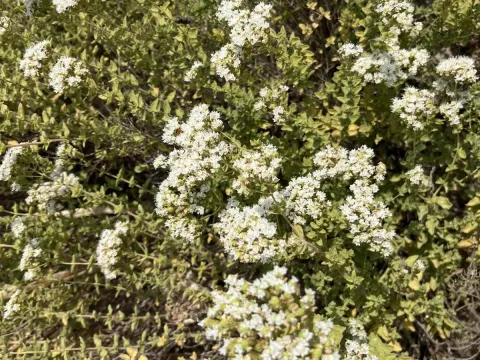
Turkish oregano
Origanum onites
Turkish oregano is typically propagated through seedlings, as the small seeds require precise moisture control during the germination phase. In warmer climates, direct sowing in late spring is feasible once soil temperatures consistently reach 15-18 degrees Celsius.
What the section contains
Turkish oregano
Seeds should be started indoors in late February or March to ensure robust plants for transplanting. A shallow seeding depth of 0.5 cm is crucial, as the seeds need light exposure to germinate effectively.
Using seedling trays with a nutrient-rich substrate promotes strong root development and simplifies the transplanting process. Pricking out is performed at the two-to-three leaf stage, followed by an hardening-off period to acclimatize the plants to outdoor conditions.
Planting in the field is carried out with optimal spacing to ensure airflow, which is essential to prevent fungal issues. Typical spacing involves rows 45-60 cm apart, with 20-30 cm intervals between individual plants within the rows.
Applying mulch immediately after transplanting helps retain soil moisture and suppresses weed growth during the early stages of establishment, providing a healthier environment for the young crop.
Turkish oregano is a hardy perennial belonging to the Lamiaceae family, native to the Mediterranean region. It is highly photophilous, meaning it requires full sun exposure throughout the day to maximize essential oil production.
Regarding soil conditions, the plant thrives in well-drained, light sandy or loamy soils. It prefers a neutral to slightly alkaline pH. Waterlogging must be avoided at all costs, as the roots are highly susceptible to decay in saturated environments.
While the plant exhibits significant drought tolerance, consistent moisture during the active growth and blooming phases results in better biomass yields. Excessive nitrogen fertilization should be avoided, as it tends to reduce the aromatic quality of the herb.
The optimal temperature range for growth is between 20 and 25 degrees Celsius. Although well-adapted to Mediterranean climates, the species can survive light frosts, but winter protection may be necessary in colder regions to prevent root damage.
For sustainable cultivation, incorporating phosphorus and potassium-rich fertilizers is recommended to strengthen the plant's structure and improve its natural resistance to environmental stressors and cold temperatures.
The yield of Turkish oregano is influenced by crop density, soil fertility, and sunlight intensity. On average, farmers can expect a yield of 5 to 10 tons of fresh green mass per hectare per season under standard cultivation conditions.
The essential oil yield is a critical quality metric for industrial applications, with dry matter typically containing between 2% and 4% essential oil. High-quality harvests are characterized by high concentrations of carvacrol, the main active component.
Peak production generally occurs during the second and third years of the plant's lifecycle. After five years, the vigor of the plantation typically declines, necessitating replanting to maintain economic viability.
Strategic pruning encourages lateral branching, which significantly boosts the total biomass. Under favorable conditions, farmers can perform two to three cuttings per season, maximizing the return on investment per hectare.
Marketable yield quality is determined by the absence of impurities, woodiness, and weed debris. Proper post-harvest handling ensures that the final product meets the high standards required by the essential oil and culinary industries.
Fungal diseases are the most significant threat, particularly in humid or poorly ventilated conditions. Powdery mildew can quickly affect large areas, requiring immediate attention and the use of approved organic fungicides or improved ventilation.
Root rot, often caused by pathogens like Pythium, occurs when drainage is insufficient. Proper soil management and field leveling are essential preventive measures to avoid large-scale loss of the plantation due to saturated soil conditions.
Pests such as aphids and spider mites can infest the crop, causing stress and reduced oil quality. Biological control methods, such as introducing beneficial insects, are highly recommended to keep pest populations in check without the use of harsh chemicals.
Thrips may also pose a threat by damaging the delicate flower buds and foliage. Regular field scouting and monitoring allow for early intervention, which prevents the need for large-scale pesticide applications that could harm the final product.
Weeds compete aggressively with oregano for nutrients and light, especially during the establishment year. Mechanical cultivation between rows is essential for maintaining crop vigor and reducing the labor costs associated with hand-weeding.
The harvest should take place during the peak flowering phase, as this is when the essential oil concentration is highest. Harvesting at this time ensures the product meets the sensory requirements for premium culinary and pharmaceutical markets.
The top 20-30 cm of the shoots are harvested. It is vital to conduct harvesting during dry, sunny mornings after dew has evaporated, as moisture on the harvested material can cause rapid deterioration and quality loss.
Post-harvest handling must be swift; harvested biomass should be moved to a drying facility immediately. Allowing cut material to sit in piles leads to overheating and significant loss of volatile aromatic compounds.
Drying is performed in shaded, well-ventilated drying barns at temperatures not exceeding 40 degrees Celsius. Exceeding this limit will result in the loss of essential oils and discoloration of the foliage, drastically lowering the market value.
Finished dry product should be stored in airtight containers in a cool, dark place. This protects the aromatic profile from degradation by UV light and air, ensuring the highest quality product until the time of sale.